
CO2 Laser Skin Resurfacing Las Vegas | What to Expect
Published August 19, 2026 · By Dr. Robert J. Troell, Board-Certified Facial Plastic Surgeon
Dr. Robert J. Troell, MD, FACS
Two Very Different Stories About the Same Laser
The short answer: fractional CO2 laser skin resurfacing rebuilds skin texture by creating thousands of microscopic treatment zones that trigger new collagen — and in Dr. Robert Troell’s outcomes series of 347 of his own Las Vegas patients, now accepted for publication in The American Journal of Cosmetic Surgery, 97% rated their results improved, much improved, or very much improved — and 90% needed only one session.
If you’ve been researching CO2 laser resurfacing, you’ve probably run into two very different stories: one where patients say it changed their skin more than anything else they’ve tried, and another where people describe painful treatments and weeks of hiding indoors. Both stories are true — and the difference almost always comes down to the technology used, the anesthesia plan, and the experience of the person holding the laser.
This guide walks through what the treatment actually involves — not the marketing version. The numbers come from Dr. Troell’s own patient series, treated over nearly two decades at his laser resurfacing practice in Las Vegas.
What Is Fractional CO2 Resurfacing, Really?
A fractional CO2 laser doesn’t treat your entire face at once. It creates thousands of microscopic treatment zones across the skin, leaving the tissue between them untouched. Those untouched bridges act like a scaffold, helping skin heal quickly while the treated zones trigger new collagen production underneath.
That combination — real, meaningful change with a manageable recovery — is why fractional technology replaced the full-ablation lasers of the 1990s, which required general anesthesia and weeks of open wound care. The fractional design is also why infection was zero in Dr. Troell’s series: the skin barrier stays largely intact between zones.
What can it fix?
CO2 resurfacing is FDA-cleared to treat fine lines and deeper wrinkles, scarring from acne, chickenpox, surgery or injury, and mild-to-moderate skin laxity. It also improves some sun-related pigmentation, though dedicated pigment treatments are usually the better first step for dark spots alone. What it will not do is remove significant loose skin the way surgery can — many patients combine resurfacing for texture with a facelift or eyelid surgery for structure, and Dr. Troell’s published peri-orbital protocol pairs the two routinely.
Does CO2 Laser Resurfacing Hurt?
The honest answer: it can be uncomfortable without the right preparation — and very manageable with a properly layered anesthesia plan. In the series, patients treated with the full protocol rated discomfort in the 1-to-4-out-of-10 range even at aggressive, results-focused settings.
The layers, each tested in the data rather than assumed:
- Two full hours of topical numbing — not the rushed 30–60 minutes some practices use. Patients numbed for two hours reported meaningfully less pain than those numbed for one (average 3.2 vs 3.8 out of 10, p = 0.0001 in the compared groups of 50 each).
- Nerve blocks numbing specific facial zones directly, plus tumescent local anesthetic where energy is stacked.
- A mild oral sedative and pain reliever beforehand for most patients.
- Self-administered nitrous oxide (Pro-Nox) during treatment for those who want it — patients using it scored meaningfully lower on pain than those without it (1.81 vs 2.34, p = 0.0001 in the study’s comparison).
What Recovery Actually Looks Like, Day by Day
| Timepoint | What You Can Expect |
|---|---|
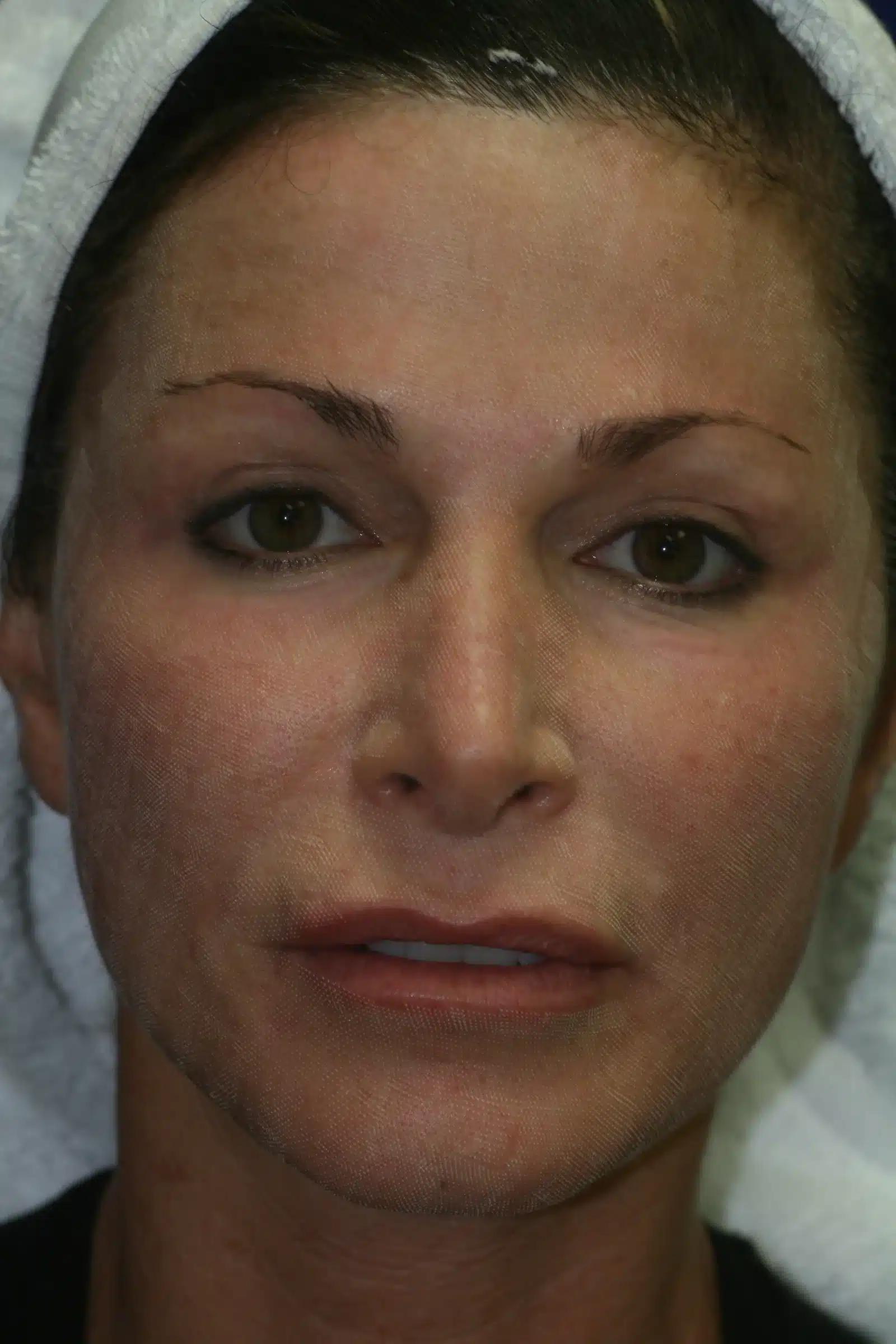
| Day 1–2 | Skin feels tight and looks sunburned; peeling begins |
| Day 2–3 | Swelling and redness at their peak |
| Day 5–6 | Peeling complete in most (non-stacked) areas |
| Day 7 | Redness fades significantly for most patients |
| Day 10–14 | Swelling fully resolves; skin looks noticeably refreshed |
| 2–6 months | Continued collagen remodeling improves texture and tone |
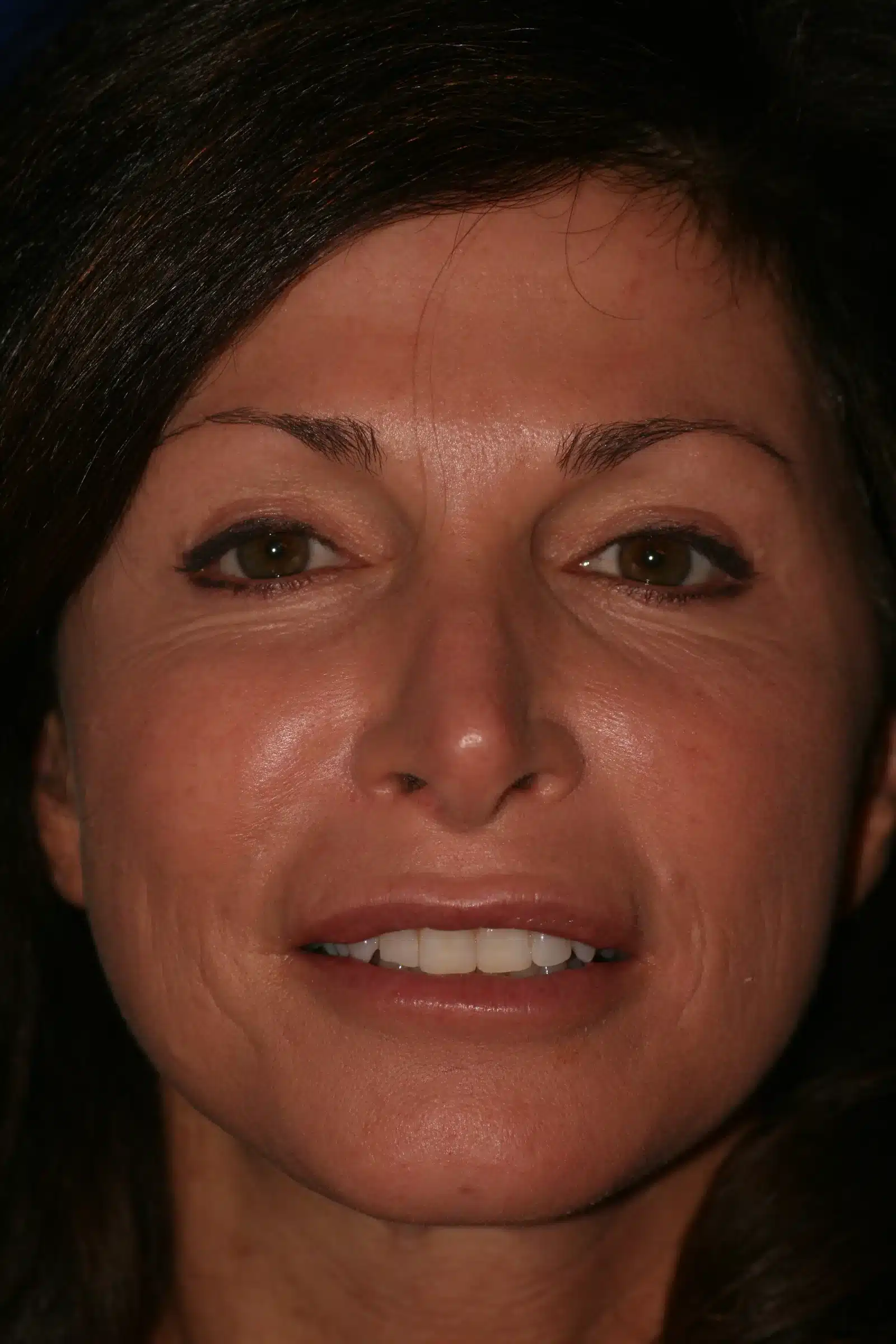
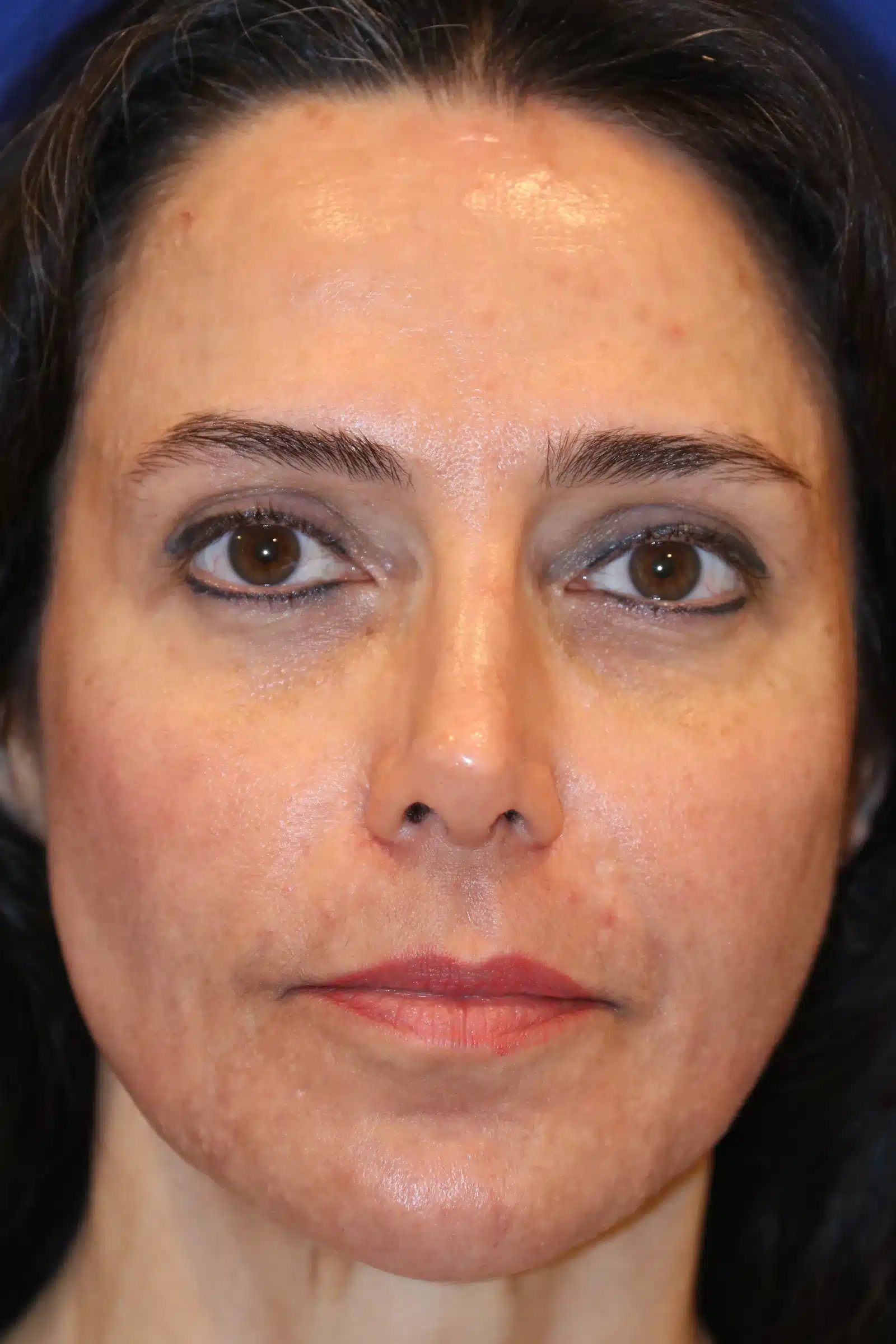
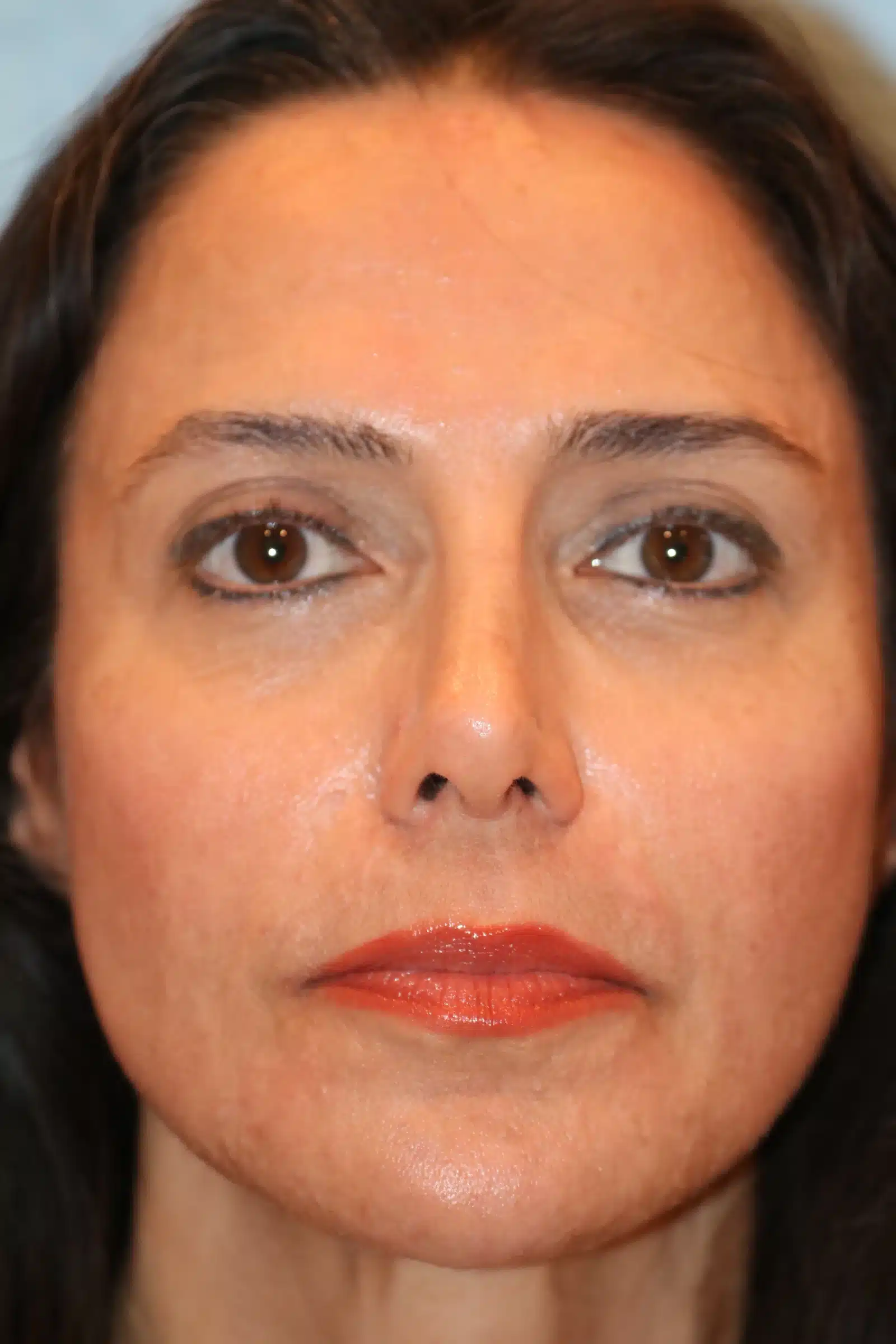
Most patients are comfortable running errands with a hat and sunglasses by about a week out, and fully camera-ready within two weeks. A deeper-treated zone — commonly around the mouth or acne-scarred cheeks — may take a few extra days to finish peeling.
Planning Around an Event?
Dr. Troell can map your specific treatment plan onto a realistic recovery calendar in person. Free consultations for patients throughout Las Vegas, Summerlin and Henderson.
Do Topical Exosomes and PRP Actually Speed Healing?
Regenerative skin care has become a popular add-on to laser resurfacing, and the data suggests it isn’t just marketing. In the series, patients using medical-grade regenerative serums before and after treatment healed about a day faster on average than those using moisturizer alone (5.5 vs 6.4 days, p = 0.0265).
The comparison of the two most talked-about boosters went further: topical exosomes outperformed platelet-rich plasma (PRP) on both measured fronts — redness cleared in about 8 days versus roughly 10 with PRP (7.9 vs 9.7 days, p = 0.0001), and peeling finished faster as well (4.45 vs 4.8 days, p = 0.0057). Both are reasonable options; if faster visible recovery is the priority, exosome serums showed the real edge in this data.
Is It Safe for Darker Skin?
A fair question, because older aggressive lasers earned a real reputation for lasting pigment changes in deeper skin tones. Fractional technology changed that picture — but skin tone still shapes the plan.
In this series, temporary darkening (hyperpigmentation) occurred in about 5% of patients, mostly at higher energies used for deeper scarring — and it resolved in every single case within six months, usually helped by brightening skin care. No patient developed permanent light patches (hypopigmentation), the complication that stalked older non-fractional lasers.
For deeper skin tones (Fitzpatrick IV–V), the protocol adds weeks of daily sunscreen beforehand, pigment-calming skin care, and sometimes a small test patch behind the ear before committing to full-face treatment. The deepest skin tones (Fitzpatrick VI) may be better served by a specialized superficial technique than by standard aggressive settings — exactly the kind of judgment the consultation exists to make.
Before & After: What the Numbers Look Like on a Face
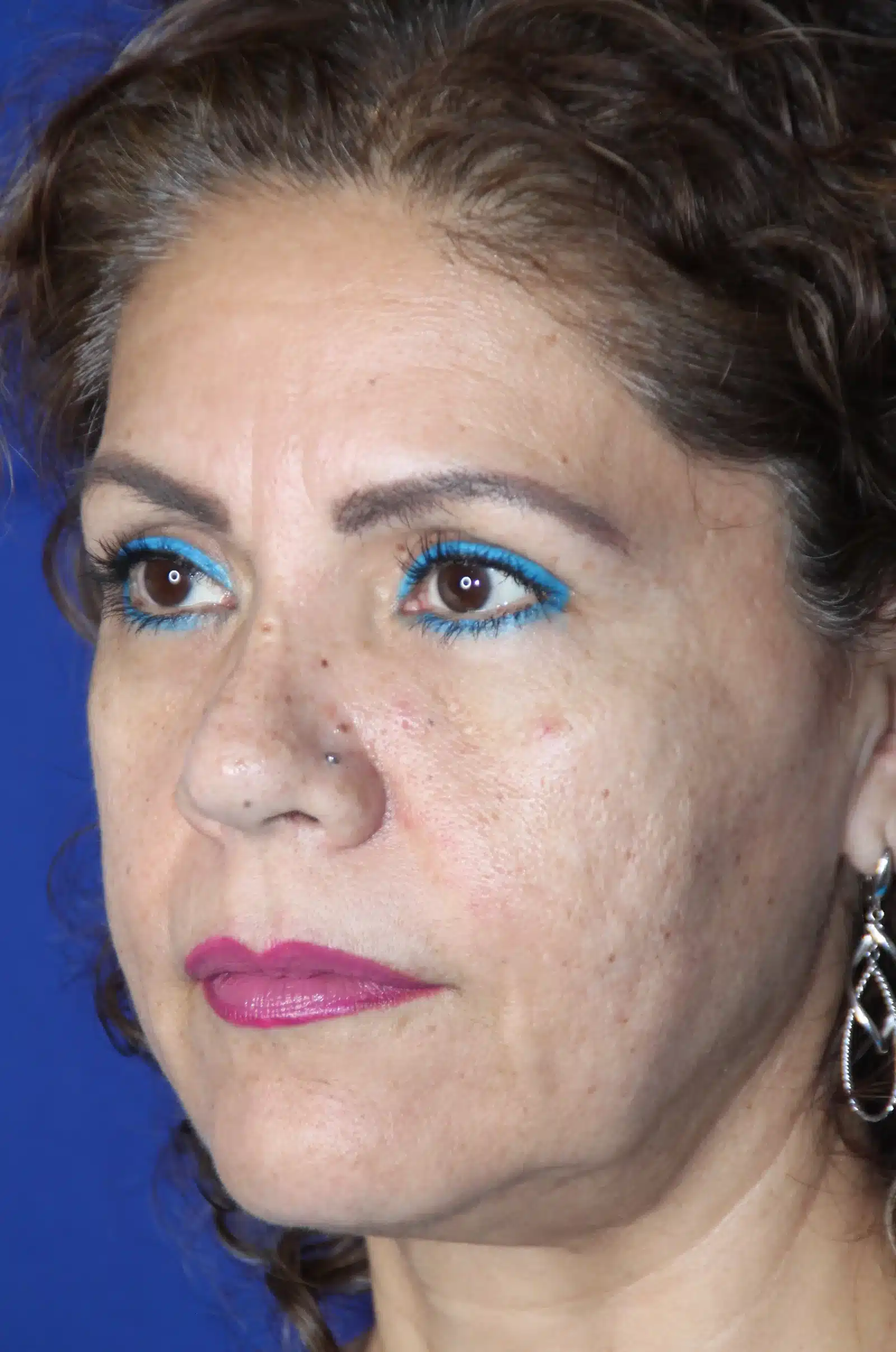
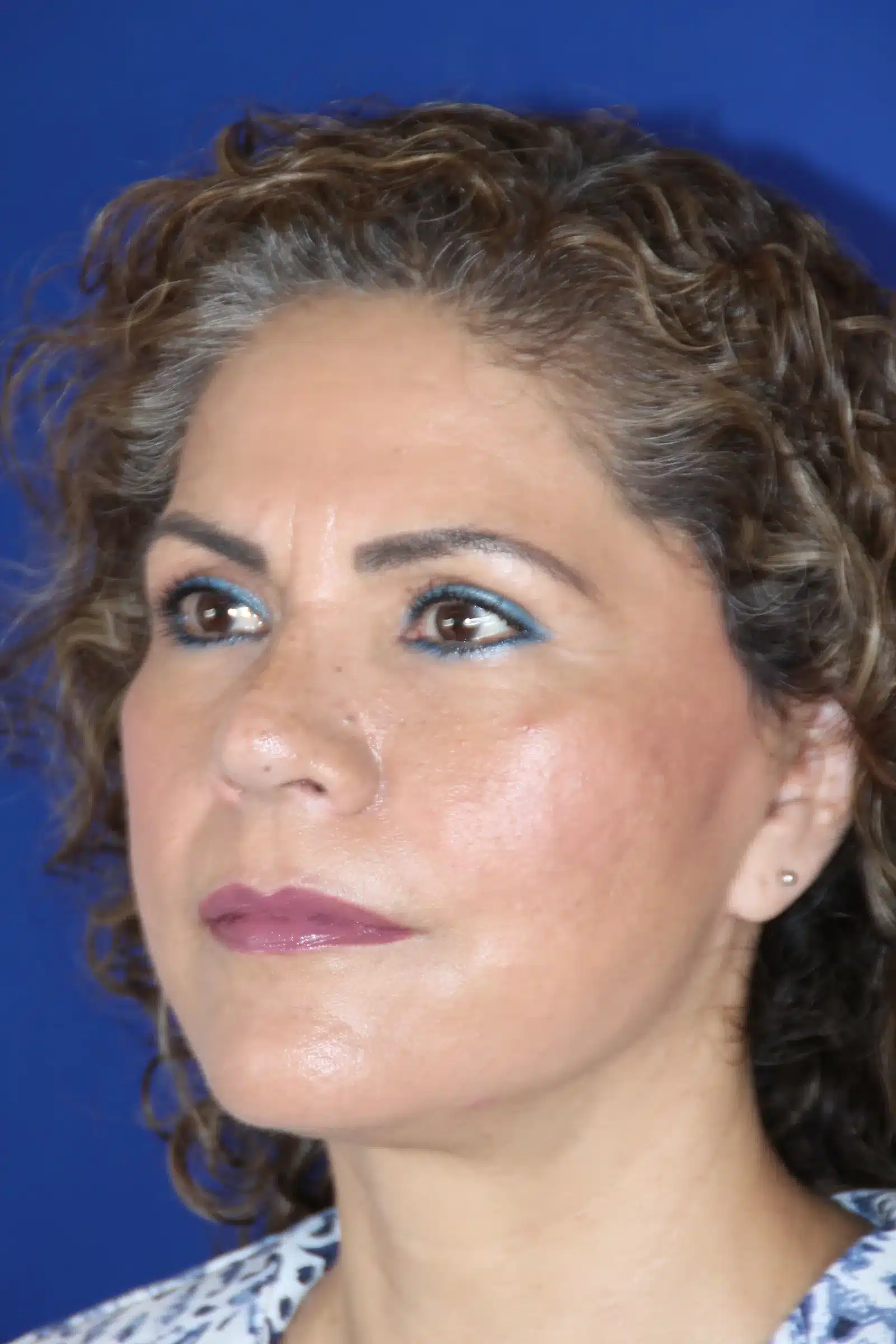
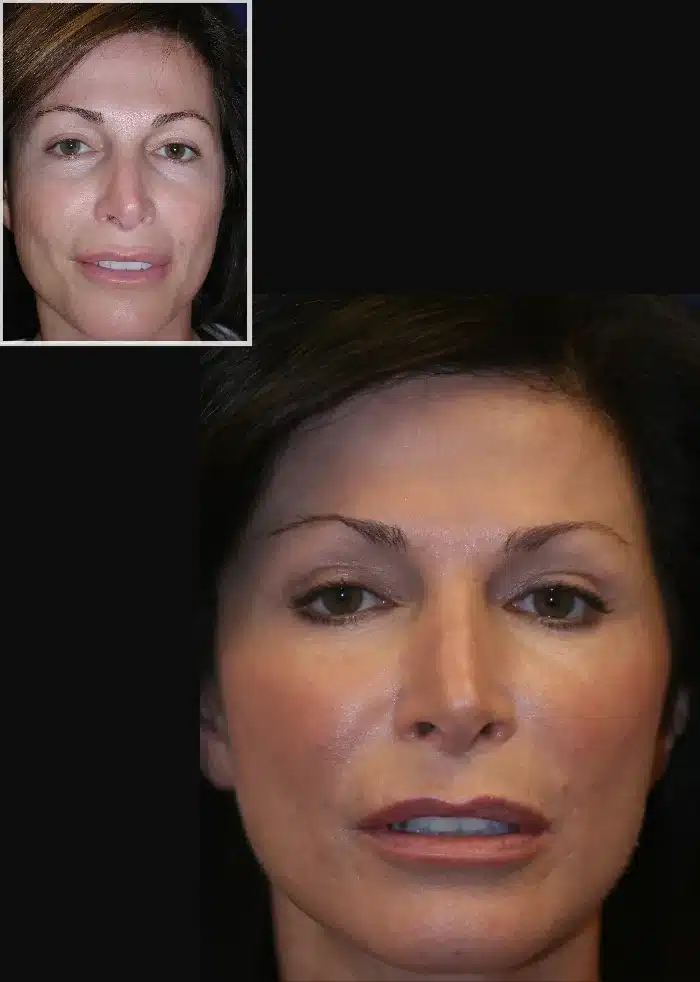
In the accepted-for-publication series, 97% of patients rated their results improved or better; 90% reached their goal in one session, 7% chose a second, and 3% a third. How many you’d need depends on the depth of your wrinkles or scarring and how aggressive you and your surgeon choose to be with energy settings.
The Real Risk Profile, From the Data
- Swelling, redness, peeling: expected for every patient — that is the treatment working, not a complication.
- Temporary hyperpigmentation: about 5% of patients; resolved in all cases within six months.
- Milia (tiny white bumps): a small number of patients, typically tied to heavy petroleum-ointment use during healing.
- Cold-sore flare-ups: only in patients with a prior history — which is why that history matters at consultation.
- Scarring: exceedingly rare — one case in the entire series, treated and resolved.
- Infection: zero cases, credit the fractional design.
The device comparison, from the study
| CO2 platform compared | Finding in the series |
|---|---|
| DEKA (SmartXide DOT / TETRA) | Best aesthetic outcomes and maximum histological collagen synthesis and remodeling on tissue biopsy; less pain at matched settings than a competing device |
| Eclipse Equinox | Second in the three-way aesthetic and histological comparison |
| Lutronic eCO2 Plus | Third in the same comparison |
Some patients aren’t candidates for aggressive resurfacing: anyone who has taken isotretinoin (Accutane) in the past six months, patients prone to keloid scarring, and those with scleroderma. The device matters too — in a side-by-side comparison of three laser platforms at matched settings, the DEKA system used in this practice produced less pain and better aesthetic outcomes than a competing device, with broader, gentler collagen remodeling confirmed on tissue biopsy. “Getting a CO2 laser” is not one thing; the specific machine and how it is programmed both shape your result.
CO2 Laser Resurfacing FAQs
How long is recovery from CO2 laser skin resurfacing?
Most patients finish peeling within 5 to 6 days, are comfortable in public by about a week to ten days, and see swelling fully gone by 10 to 14 days — with collagen-driven improvement continuing for two to six months.
Is CO2 laser resurfacing painful?
With a properly layered plan — two hours of topical numbing, nerve blocks, light oral sedation, and optional self-administered nitrous oxide — most patients in Dr. Troell's series rated discomfort between 1 and 4 out of 10, even at strong settings.
Can CO2 laser resurfacing treat acne scars?
Yes. Acne scarring is one of the primary FDA-cleared uses for fractional CO2 treatment, often with slightly deeper settings concentrated in the scarred zones.
Will it cause dark or light spots on my skin?
Temporary darkening occurred in about 5% of patients in the series, most often in medium-to-deep skin tones at higher energies — and resolved in every case within six months. Permanent light spots, the signature complication of older non-fractional lasers, did not occur.
How many sessions will I need?
Ninety percent of patients in the series reached their goal in a single session; 7% chose a second and 3% a third, typically for deeper scarring treated progressively.
How soon will I see results?
Initial improvement shows as soon as swelling and redness resolve — typically within two weeks — with continued improvement over the following two to six months as new collagen remodels the treated skin.
The Research Behind This Guide
The primary data source is Dr. Troell's carbon dioxide laser outcomes study, accepted for publication in The American Journal of Cosmetic Surgery; the citation below will gain its DOI when the journal issues it. His full list is maintained on the medical publications page.
- Troell RJ. Carbon Dioxide Laser Skin Resurfacing: Striving to Optimize Treatment Experience. Am J Cosmet Surg. Accepted for publication (in press); DOI will be added when the journal issues it.
- Troell RJ. Peri-Orbital Aesthetic Rejuvenation: Surgical Protocol & Clinical Outcomes. Am J Cosmet Surg. 2017;34(2):81–91. doi:10.1177/0748806817700534
This article is for general educational purposes only and does not constitute medical advice. Individual results vary. Any decision about laser skin resurfacing should be made in consultation with a qualified physician who can evaluate your skin type, medical history and goals.

Begin Your Journey with Dr. Troell
Schedule a complimentary consultation with Dr. Troell to discuss your goals, explore your options, and receive an honest, expert assessment. No obligation, no pressure.
Mon–Fri, 8:30 AM – 5:00 PM