

Otoplasty in Las Vegas
Reshape, reposition, or resize ears with expert surgical precision for children and adults
What is Otoplasty?
Otoplasty is a surgical procedure that changes the shape, position, or size of the ears. The most common reason patients seek otoplasty is to correct ears that protrude noticeably from the sides of the head, but the procedure can also address a wide range of ear shape concerns including asymmetry, lop ear, cupped ear, shell ear, and oversized earlobes.
Protruding ears are caused by an underdeveloped antihelical fold (the inner rim of cartilage), an overdeveloped conchal bowl (the deep cup of the ear), or a combination of both. Otoplasty corrects these structural features to bring the ears into a more natural position relative to the head. The procedure can be performed on one or both ears, and results are permanent.
Torn, stretched, or aging earlobes? Earlobe work is its own dedicated procedure at our practice — see earlobe repair in Las Vegas for tears, gauge reversal, earlobe reduction, and re-piercing timelines.
Why People Choose Otoplasty
- Ears that protrude noticeably from the sides of the head
- Asymmetric ears (one ear more prominent than the other)
- Ears that are disproportionately large (macrotia)
- Ears with an unusual shape from birth or injury
- Elongated, stretched, or torn earlobes
- Self-consciousness that affects hairstyle choices, social interactions, or confidence
Types of Ear Surgery
Otoplasty encompasses several distinct procedures, each addressing a specific ear concern. Dr. Troell determines the right approach based on your anatomy and goals.
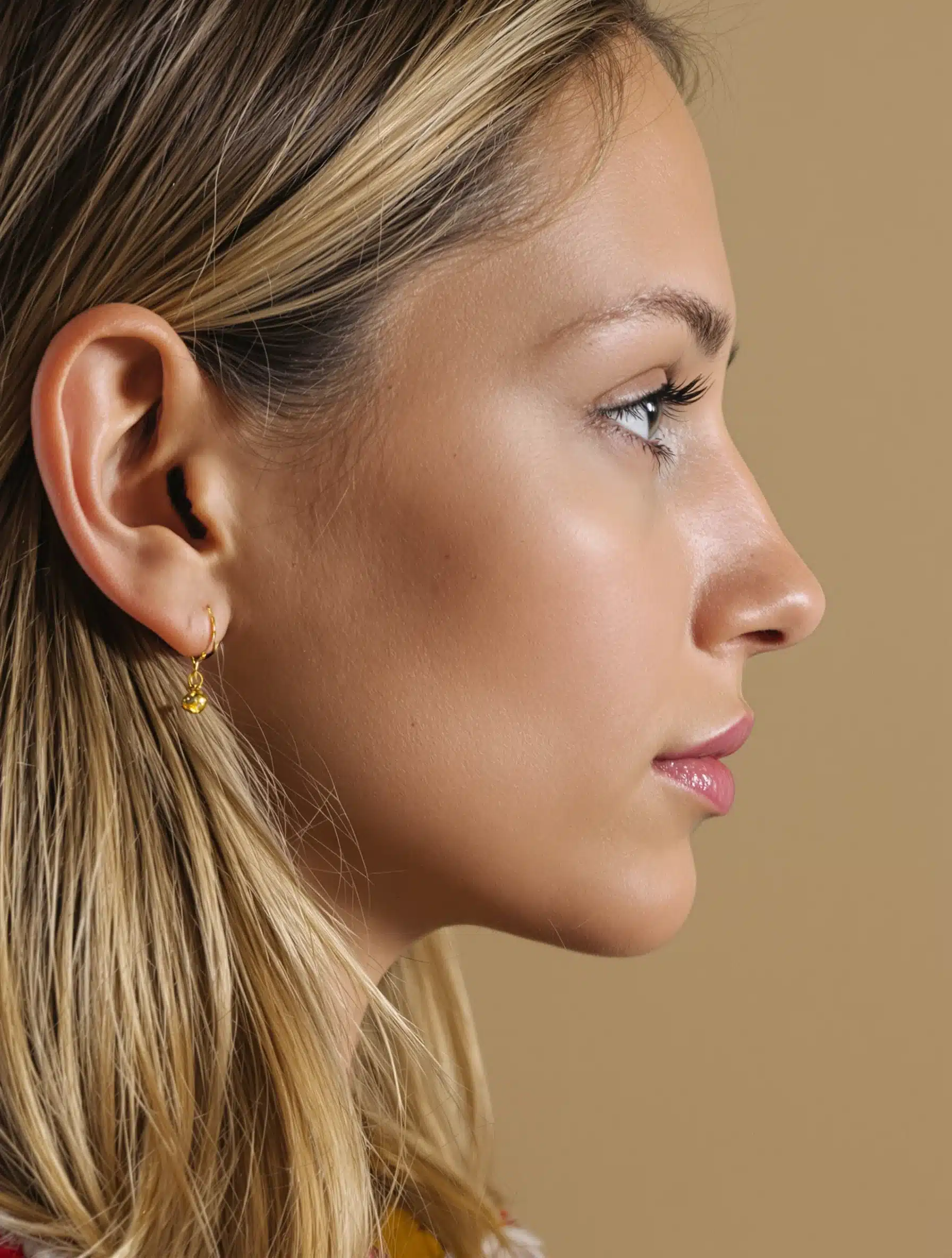
Ear Pinning (Pinnaplasty)
The most common otoplasty procedure. Ear pinning corrects protruding ears by reshaping the cartilage and repositioning the ears closer to the head. The procedure creates or enhances the antihelical fold and/or reduces the conchal bowl to bring the ears into a more natural, less prominent position. Performed through an incision behind the ear, leaving no visible scar from the front.

Ear Reshaping
Corrects ears with congenital deformities such as lop ear (folded tip), cupped ear (small and cupped forward), shell ear (missing outer rim curves), or Stahl's ear (extra cartilage fold creating a pointed shape). The surgeon sculpts the cartilage into a more typical ear form. Each reshaping procedure is customized to the specific deformity present.

Ear Reduction (Macrotia Surgery)
Reduces the overall size of ears that are disproportionately large for the patient's head and face. The procedure removes a precisely planned wedge of cartilage and skin to reduce ear height, width, or both while preserving natural ear shape and contour. Incisions are placed within the natural folds of the ear to minimize visible scarring.
Earlobe Repair
Corrects earlobes that have been stretched, torn, or elongated by heavy earrings, gauges, trauma, or aging. The damaged tissue is excised and the earlobe is reconstructed to restore a natural, proportionate shape. Ears can typically be re-pierced 6-8 weeks after repair. This is a minor procedure usually performed under local anesthesia in the office — covered in depth on the dedicated earlobe repair page.
Compare Otoplasty Techniques
| Technique | Best For | What It Does | Tradeoff |
|---|---|---|---|
| Suture-Based (Mustarde/Furnas) Most Common | Soft, pliable cartilage; children; mild to moderate protrusion | Permanent sutures reshape the antihelical fold and/or set back the conchal bowl without removing cartilage | Small risk of suture extrusion or partial relapse in very stiff cartilage |
| Cartilage-Cutting (Scoring/Excision) | Thick, rigid cartilage; adults with firm ears; significant reshaping needed | Cartilage is scored, thinned, or partially excised to create new folds and reduce spring-back | Slightly higher risk of contour irregularity; longer healing for cartilage |
| Combined Approach | Complex corrections requiring both reshaping and setback; asymmetric ears | Uses sutures for setback and fold creation plus targeted cartilage scoring where stiffness prevents suture-only correction | Slightly longer procedure; requires surgeon experienced in both methods |
Why Choose Dr. Troell for Otoplasty
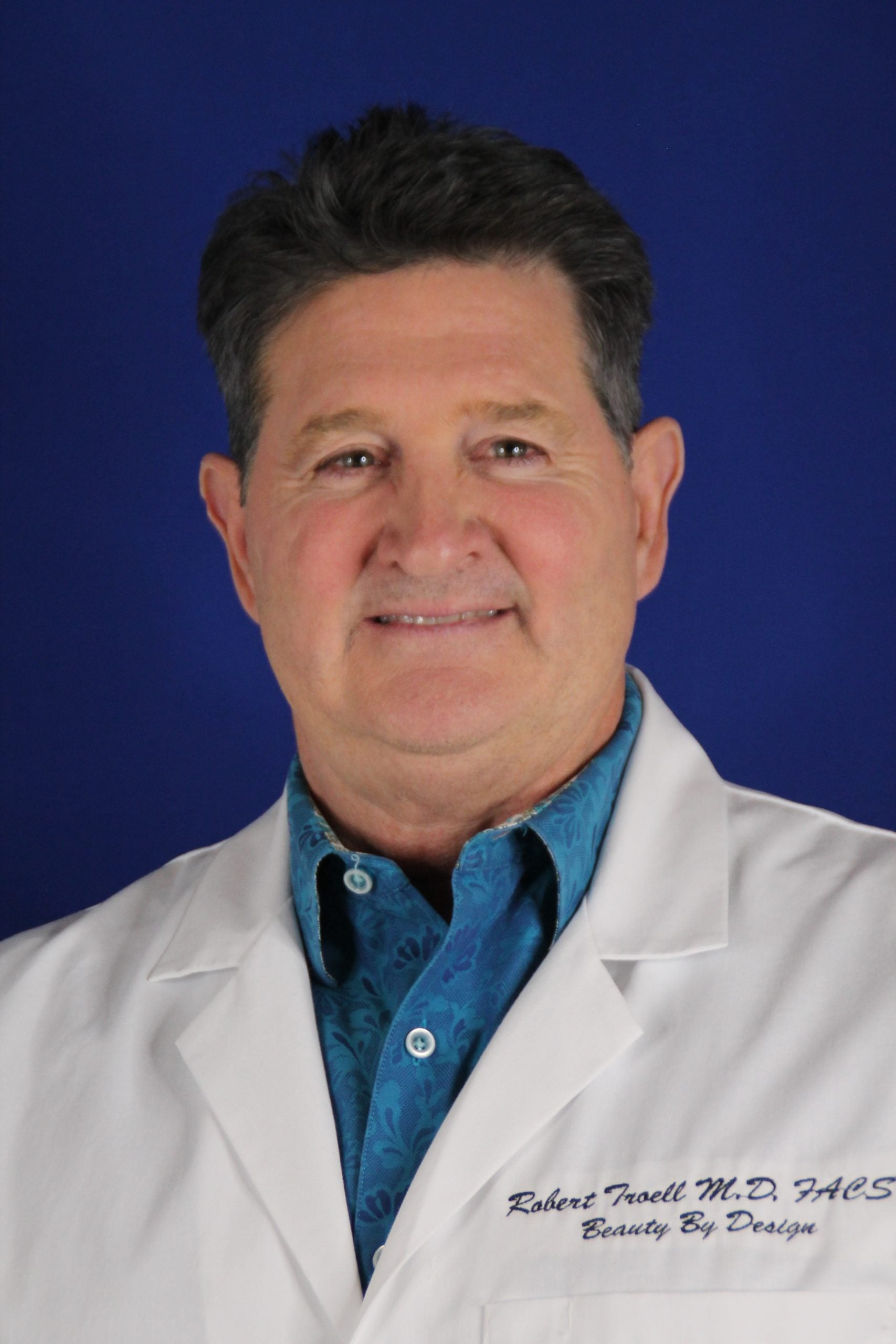
Dr. Troell is board-certified in otolaryngology (ear, nose, and throat surgery) in addition to facial plastic and reconstructive surgery. This dual specialization means he brings over three decades of deep expertise in ear anatomy, cartilage biology, and surgical correction of ear deformities — a level of anatomical knowledge that few cosmetic surgeons possess. His otolaryngology training is directly relevant to otoplasty, where understanding the three-dimensional structure of ear cartilage is essential to achieving natural, lasting results.
Who sees you after ear surgery
At Troell Cosmetic Surgery in Las Vegas, every otoplasty follow-up visit, dressing removal included, is with Dr. Robert J. Troell, the surgeon who performed the operation, in the same South Fort Apache Road office. He holds hospital privileges at Summerlin Hospital Medical Center for any complication that needs hospital care, and whether a revision is appropriate is decided case by case at those visits, never promised in advance. The full structure — complication versus imperfect result, when an ear result is judged, and what a revision would cost — is in our guide to what happens if something isn’t right after surgery.


Otoplasty for Children and Adults
Children (Age 5+)
Otoplasty can be performed on children once the ears have reached near-adult size, typically around age 5-6. Early correction is often recommended because it allows the child to enter school without self-consciousness about ear appearance. At this age, the ear cartilage is still soft and pliable, which can make the surgery easier and the results more predictable. Parental involvement in the decision is important, but the child should also express a desire for the correction.
Adults
There is no upper age limit for otoplasty. Adult patients commonly seek the procedure after years of feeling self-conscious about prominent ears, often choosing hairstyles specifically to conceal them. Adult ear cartilage is firmer than a child's, which may influence the surgical technique selected, but excellent results are achievable at any age. Adults have the advantage of being able to clearly articulate their goals and expectations.
- Ears that protrude more than 2 cm from the side of the head
- Noticeable asymmetry between the two ears
- Self-consciousness about ear appearance affecting confidence
- Good general health with no untreated ear infections
- Children aged 5 or older with fully developed ear cartilage
- Realistic expectations about outcomes
A note about hearing: Otoplasty addresses the external ear (pinna) only. It does not affect the ear canal, middle ear, or inner ear structures. The procedure has no impact on hearing ability.
What Otoplasty Can Achieve
Bring protruding ears closer to the head for a more balanced, proportionate appearance from every angle.
Correct asymmetry between the two ears to create a more balanced, even appearance.
Results are permanent. Once the cartilage is reshaped and healed, the ears maintain their new position.
Freedom to wear any hairstyle, hat, or headband without self-consciousness about ear appearance.
Otoplasty Before & After Photos
These images represent actual patients of Dr. Troell who provided written consent.


All before and after photographs are of actual patients who have provided written consent. Photos have not been digitally altered except for cropping and color correction. Results shown are not guaranteed and vary from patient to patient.
Every procedure on this page is performed by Las Vegas plastic surgeon. Dr. Troell is a Diplomate of the American Board of Cosmetic Surgery and board-certified in facial plastic & reconstructive surgery, with 30+ years of surgical experience. Residency and fellowship at Stanford University; Doctor of Medicine from the University of South Florida College of Medicine. See notable achievements.
Request a Consultation
Otoplasty Checklists
Pre-Operative Checklist
Post-Operative Checklist
Otoplasty Recovery Timeline
Surgical Dressing Phase
A protective dressing wraps around the head to support the ears in their new position. Mild to moderate discomfort managed with medication. Ears feel tight, warm, and throbbing. Keep head elevated and sleep on your back.
Dressing Removal
The surgical dressing is removed at your follow-up visit. You will see the new ear position for the first time. Ears will be swollen and bruised but already closer to the head. Transition to wearing a soft headband at night. Sutures behind the ears dissolve or are removed.
Return to Activities
Children typically return to school within 7-10 days. Adults return to work within 5-7 days. Swelling and bruising continue to diminish. Continue wearing the headband at night. Avoid contact sports and activities that risk bending or folding the ears.
Headband Phase Ends
Nighttime headband use can usually be discontinued around week 6. The ears feel more natural and less sensitive. Light exercise and non-contact sports can resume. Ears are still settling into their final position.
Final Results
All swelling resolves and the cartilage fully heals in its new shape. The ears have settled into their permanent position. Full contact sports and all activities can resume. Incision scars behind the ears continue to fade and become barely perceptible.
Otoplasty Cost in Las Vegas
- Pre-operative consultation and ear analysis
- Surgeon's fee
- Anesthesia fees
- Facility/operating room fees
- Surgical supplies and sutures
- Post-operative follow-up visits


Otoplasty FAQs
What is the best age for otoplasty?
The ears reach approximately 90% of adult size by age 5-6, making this the earliest recommended age for otoplasty. Early correction allows children to avoid teasing during school years. However, there is no upper age limit — adults of any age can benefit from the procedure. The ideal time is whenever the ear prominence causes distress or self-consciousness.
Is otoplasty painful?
During the procedure, you will not feel pain due to anesthesia. Post-operatively, most patients describe a dull ache, tightness, or throbbing sensation for the first 2-3 days. This is well-managed with prescribed pain medication. Children typically recover faster and report less discomfort than adults. By day 4-5, most patients require only over-the-counter pain relief.
Will my ears look natural after otoplasty?
Yes. The goal of otoplasty is to create natural-looking ears that are in proportion with the rest of the face. Dr. Troell avoids over-correction, which can create a "pinned-back" appearance. A well-performed otoplasty produces ears that look naturally positioned — as though they were never prominent. Slight asymmetry between ears is normal and expected, as it exists in nature.
Will otoplasty affect my hearing?
No. Otoplasty addresses only the external ear (pinna), which is the visible cartilage and skin portion. It does not involve the ear canal, middle ear, eardrum, or any hearing structures. Your hearing will be completely unaffected by the procedure.
Can ears go back to their original position after otoplasty?
In the vast majority of cases, otoplasty results are permanent. The cartilage heals in its new shape and maintains the corrected position. However, a small percentage of patients (approximately 5-8%) may experience partial relapse where one ear gradually moves outward somewhat. If this occurs, a revision procedure can address it. Wearing the protective headband at night as directed during recovery is important for maintaining results.
What type of anesthesia is used for otoplasty?
For adults and older teens, otoplasty is typically performed under local anesthesia with sedation. The ears are numbed and you are relaxed but awake. For younger children, general anesthesia is used so the child remains still and comfortable throughout the procedure. Dr. Troell will discuss the best anesthesia option during your consultation.
How long does the otoplasty procedure take?
Otoplasty typically takes 1-2 hours depending on the complexity of the correction and whether one or both ears are being treated. Ear pinning for protruding ears is usually on the shorter end, while more complex reshaping procedures may take longer. It is an outpatient procedure — you go home the same day.
When can my child return to school after otoplasty?
Most children return to school within 7-10 days after otoplasty. The surgical dressing is removed within the first week, and by day 10 any visible bruising can usually be concealed by hair. Contact sports, playground activities, and PE should be avoided for at least 6 weeks to protect the healing ears from being bent or struck.
Will there be visible scars?
The incision for ear pinning and most reshaping procedures is placed in the natural crease behind the ear, where it is completely hidden from the front view. Even from behind, the scar fades significantly over time and is concealed by the ear itself. Ear reduction scars are placed within the natural folds of the ear. Most patients find their scars barely perceptible within a few months.
Does insurance cover otoplasty?
No. Troell Cosmetic Surgery is a self-pay specialty surgical practice and does not bill insurance for any procedure, including ear pinning for a child or the correction of a congenital ear difference that another practice might submit as medically indicated. Cosmetic otoplasty is not covered by any health plan in the first place, and there is no coverage pathway to pursue here for a functional or pediatric case either. If insurance participation is essential to your decision, you are better served by a practice that participates with your plan, and we would rather you know that before booking a consultation. For patients who proceed on a self-pay basis, the fee is quoted in writing after a free consultation with Dr. Robert J. Troell in Las Vegas, and CareCredit and Alphaeon Credit financing are available for monthly payments.
If one ear starts drifting back out months after ear pinning, or the two ears heal to slightly different angles, who decides whether it needs a revision — and what would it cost me?
It is worth settling before surgery, because otoplasty results declare themselves over weeks rather than days: the dressing comes off at the first follow-up visit, children are usually back at school within 7-10 days, and the soft headband is worn at night until about week 6 precisely because the reshaped cartilage is still setting, which is why this page names suture extrusion and partial relapse among the risks and puts the chance of one ear gradually moving outward at roughly 5-8%. At Troell Cosmetic Surgery in Las Vegas, the person judging each of those stages is the surgeon who did the operation: Dr. Robert J. Troell is the sole surgeon here, and his patients' follow-up visits happen in the same South Fort Apache Road office where the consultation and the surgery took place. He holds hospital privileges at Summerlin Hospital Medical Center should a complication ever need hospital-level care. Whether a revision is appropriate for a drifting ear or a mismatch in angle, and what a revision would cost you, is decided case by case at those follow-ups once the cartilage has settled; no surgeon can honestly promise that in advance, and individual results vary.
Medical Disclaimer
This information is for educational purposes only and is not a substitute for professional medical advice, diagnosis, or treatment. All surgical procedures carry inherent risks, and individual outcomes vary based on anatomy, health status, and adherence to pre- and post-operative instructions. Always consult with a qualified, board-certified surgeon to evaluate your individual case.
Proudly Serving the Las Vegas Valley
Dr. Troell’s practice at 5375 S Fort Apache Rd in Las Vegas sees otoplasty patients from Spring Valley and Summerlin South, Enterprise, and across the valley to Henderson and North Las Vegas. Las Vegas gets 85 percent of its possible sunshine, about 3,782 hours a year, by NOAA climate normals, so the American Academy of Dermatology’s advice matters here: a broad-spectrum sunscreen of SPF 30 or higher whenever clothing won’t cover a scar, especially while new incision scars mature.

Ready for Ears You Feel Confident About?
A consultation with Dr. Troell is the first step. No obligation, no pressure — just an honest conversation about your goals.
Mon–Fri, 8:30 AM – 5:00 PM