

Buttock Implants in Las Vegas
Gluteal implant augmentation for patients who want lasting projection that fat transfer alone can't deliver — from one of only two surgeons worldwide who teach this procedure
What is a Buttock (Gluteal) Implant?
A buttock implant — also called a butt implant or gluteal implant — is a soft or ultrasoft solid silicone implant placed into the gluteal muscle to enhance the size, shape, and projection of the buttocks.
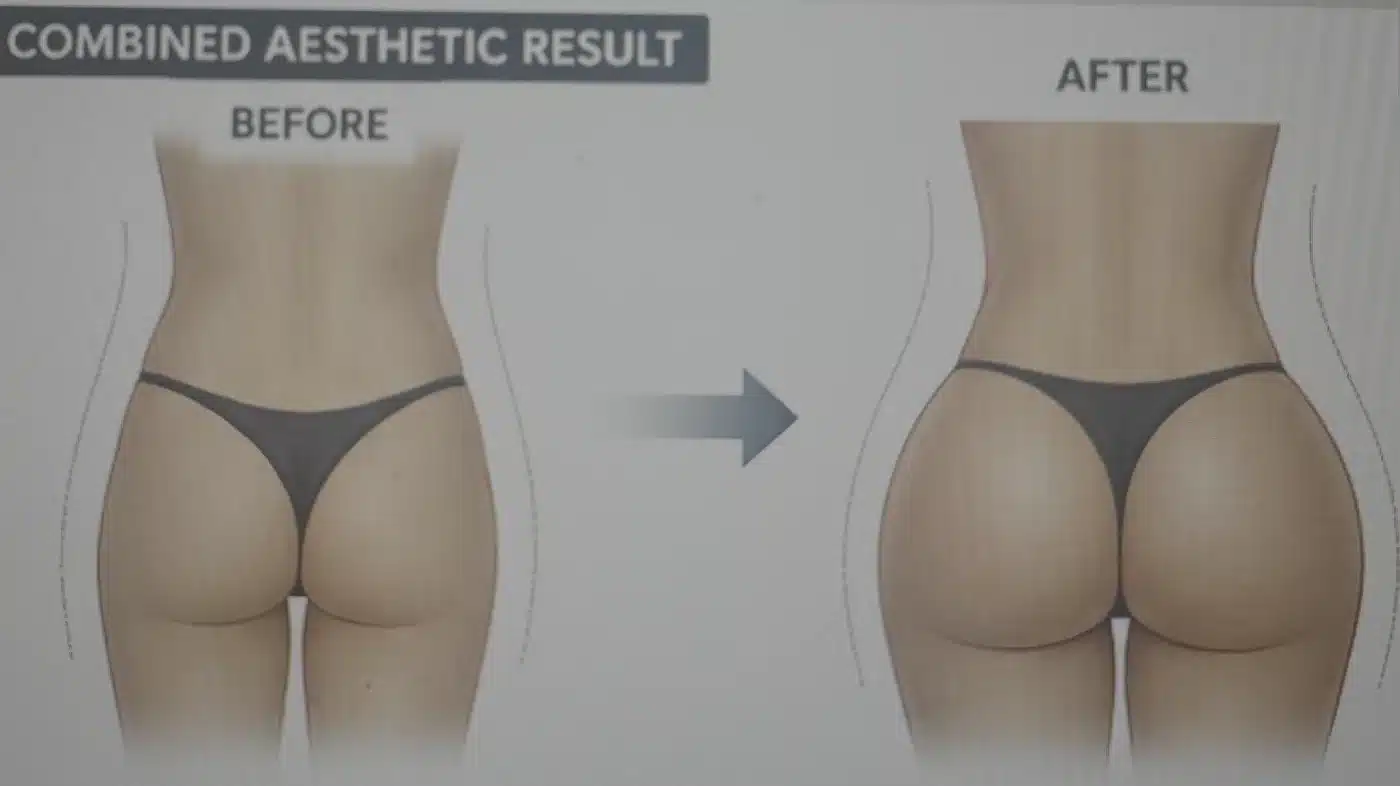
Unlike a Brazilian Butt Lift, which transfers your own fat, an implant adds volume that doesn't depend on how much donor fat you have — and doesn't reabsorb. Most patients combine the implant with adjacent body contouring: Lipo 360 of the abdomen, flanks, and lower back, and often inner and outer thigh liposuction to frame the new shape. VASER high-definition liposuction handles the sculpting; the implant (with or without fat grafting) provides the volume.
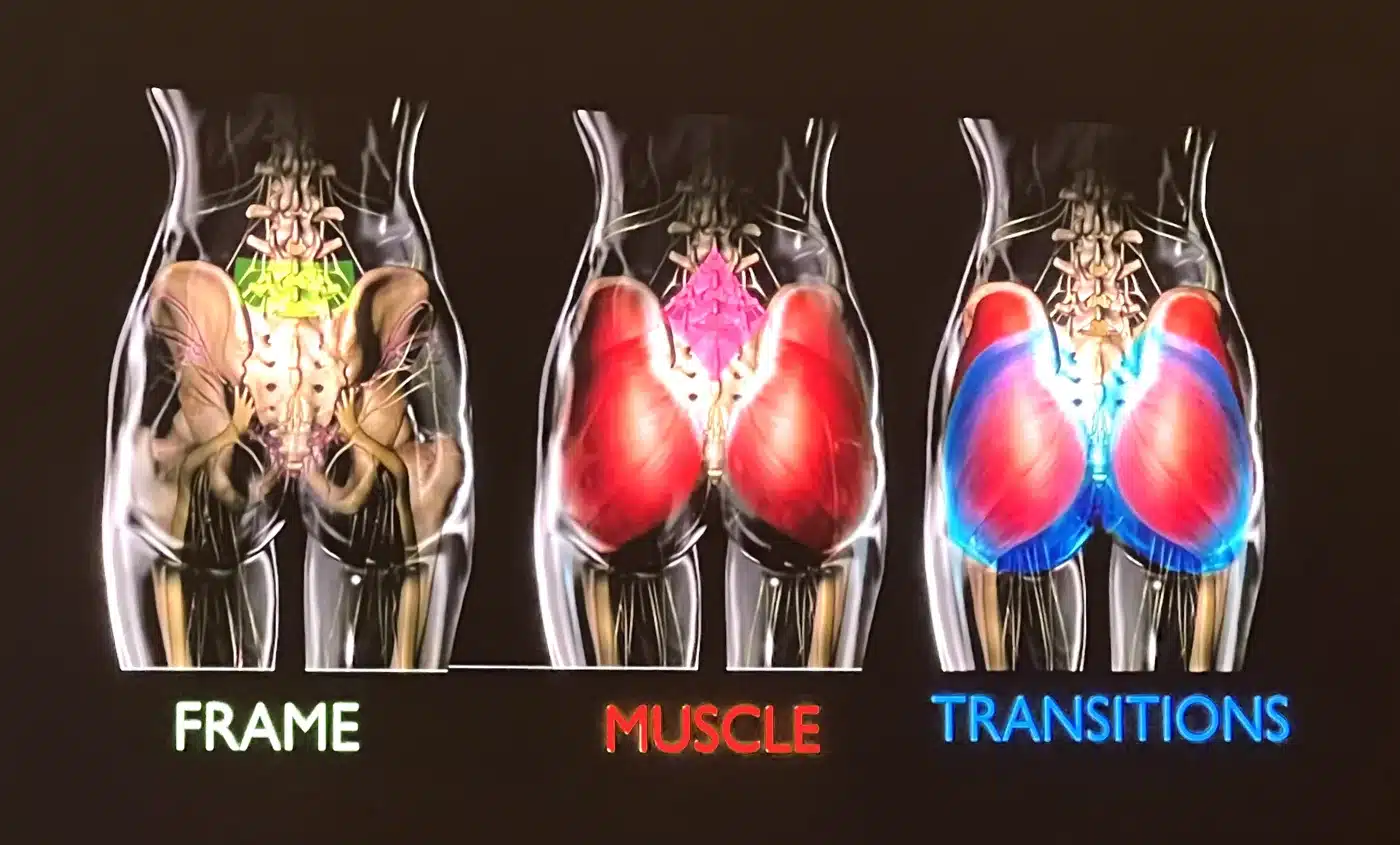
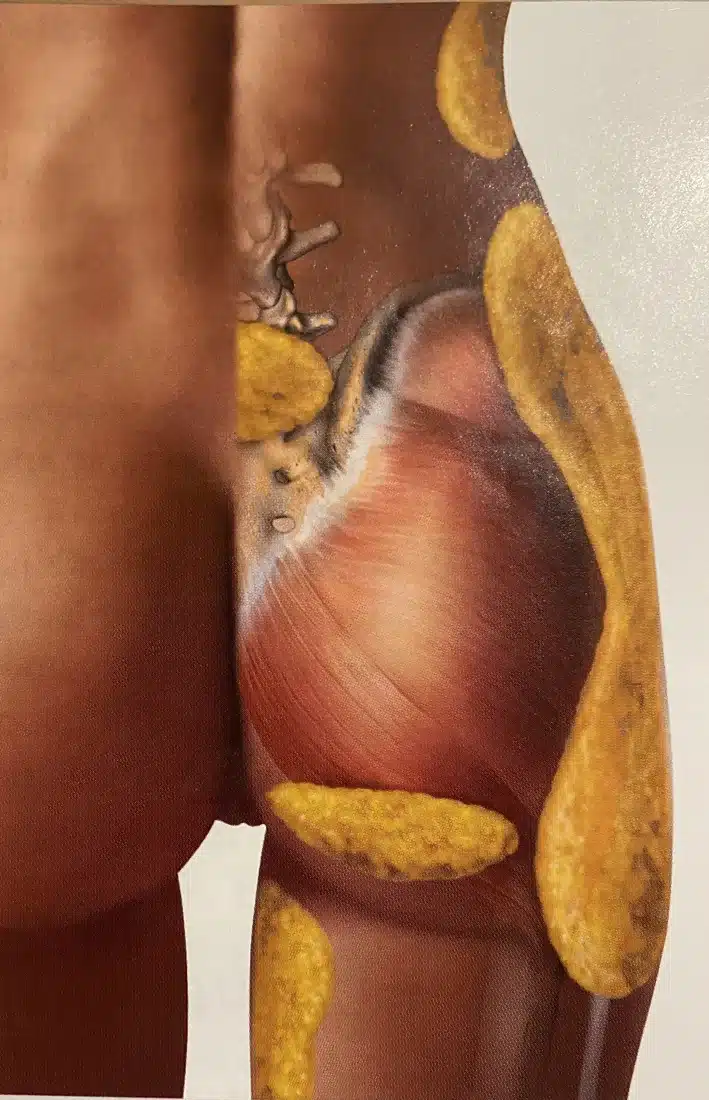
The overall buttock shape is determined by three layers: the underlying bony framework, the gluteal muscle size and shape, and the fat pad distribution and transition zones. A good surgical plan reads all three — which is why the same implant produces different results in different bodies, and why planning matters more than the implant itself.
The Four Paths to Gluteal Augmentation
Implants are one of four ways to enhance the buttocks — and for most patients with enough donor fat, they aren't the first recommendation. Dr. Troell is honest about that hierarchy:
1. Brazilian Butt Lift (BBL)
The recommended first choice: awake, tumescent liposuction with stem cell–enriched fat grafting. Natural tissue, lower complication rate. See our Brazilian Butt Lift page.
2. Gluteal Implant Alone
Solid silicone implant placed within the gluteal muscle — for patients without enough fat to graft, or who want more projection than fat can achieve.
3. Composite Augmentation
Implant + BBL in one session — the implant provides projection, the fat smooths transitions and shapes the hips.
4. Sculptra Injections
Nonsurgical L-lactic acid injections — no downtime, but modest enhancement only (roughly 5–10%). See Sculptra.
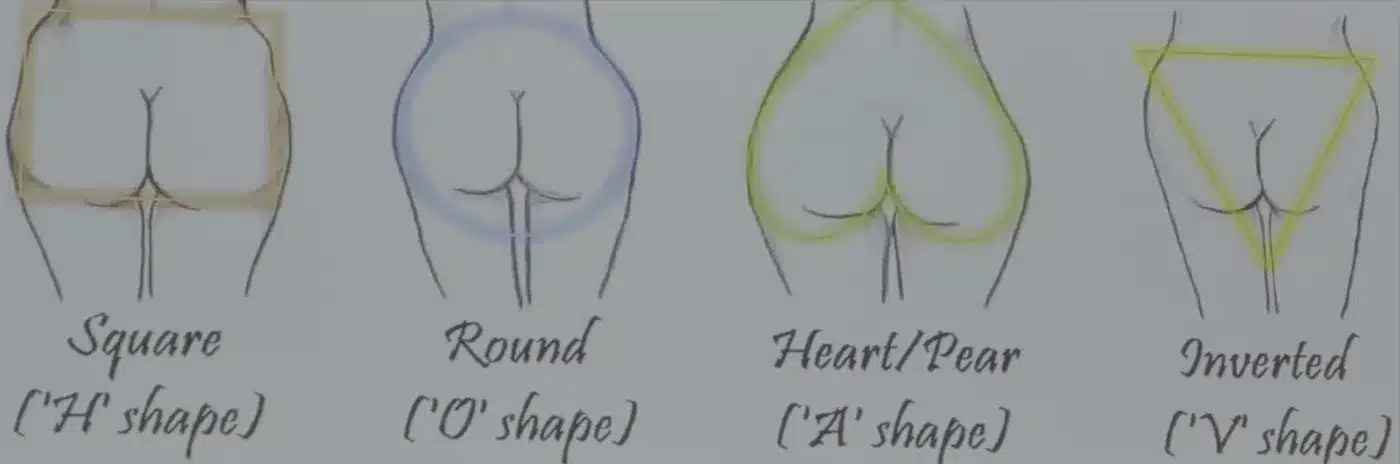
Aesthetic goals vary widely — some patients want a subtle, athletic "A-frame" enhancement; others want a fuller, rounder profile. Naming the shape you want, not just the size, is the single most useful thing you can bring to your consultation.
Am I a Candidate for Buttock Implants?
The ideal gluteal implant candidate is highly motivated — because the recovery demands it. You cannot sit directly on your buttocks for a minimum of three weeks after surgery, and the complication rate is genuinely higher and more severe than with a BBL. Dr. Troell will tell you that plainly, because choosing this procedure with clear eyes is part of a good outcome.
Implants are typically the right tool for:
- Thin patients with insufficient body fat for gluteal or hip fat grafting
- Patients after significant medical (GLP-1/Ozempic) or bariatric weight loss
- Transgender patients, who often have less fat pad volume available for grafting
- A previous BBL that didn't achieve enough size
- A previous gluteal implant the patient wants enlarged or revised
Candidacy also depends on body composition, skin and subcutaneous tissue thickness, overall health, and your aesthetic goals — all assessed at consultation.
What Styles of Gluteal Implants Are Available?
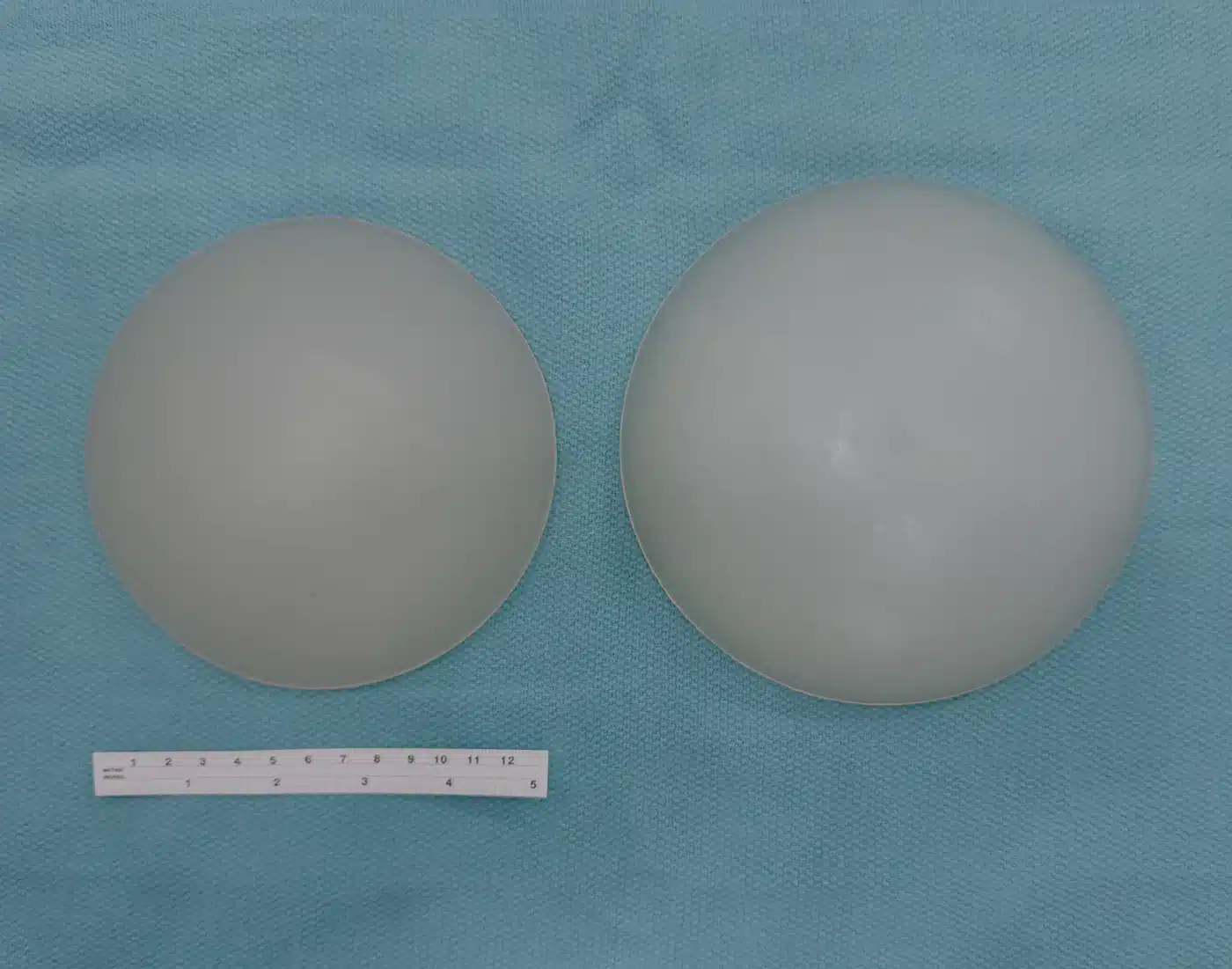
Dr. Troell uses implants from Implantech Associates — the leading facial and body implant company in the United States, and the only FDA-cleared implant company that designs and fabricates custom, patient-specific body implants. There are five standard gluteal implant styles, and the variables Dr. Troell matches to your anatomy are:
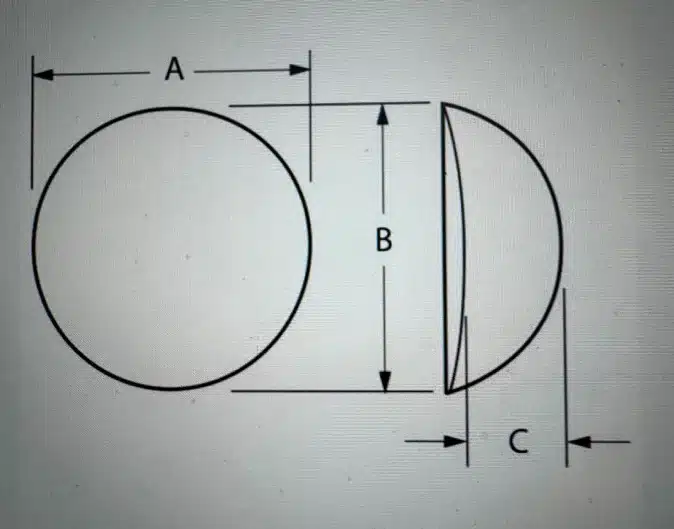
- Width & height (cm) — fitted to your gluteal footprint
- Projection (cm) — how far the implant adds forward volume
- Volume (cc)
- Cohesive firmness — soft vs. ultrasoft solid silicone
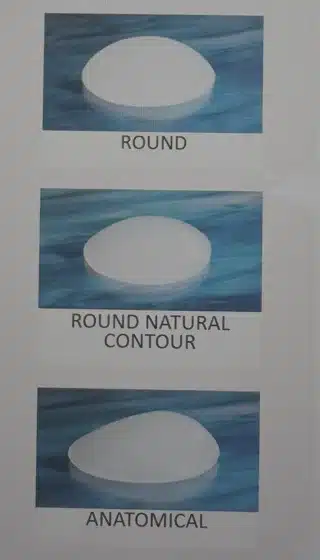
- Shape — round, anatomic (teardrop), or fully custom design
These are solid silicone devices — firmer than a gel breast implant and built to withstand sitting and movement. Gel-filled implants have been tried in the buttock, but they tend to rupture and are not FDA-approved for this use. Solid implants can't rupture or leak.
How Gluteal Implant Surgery Is Performed
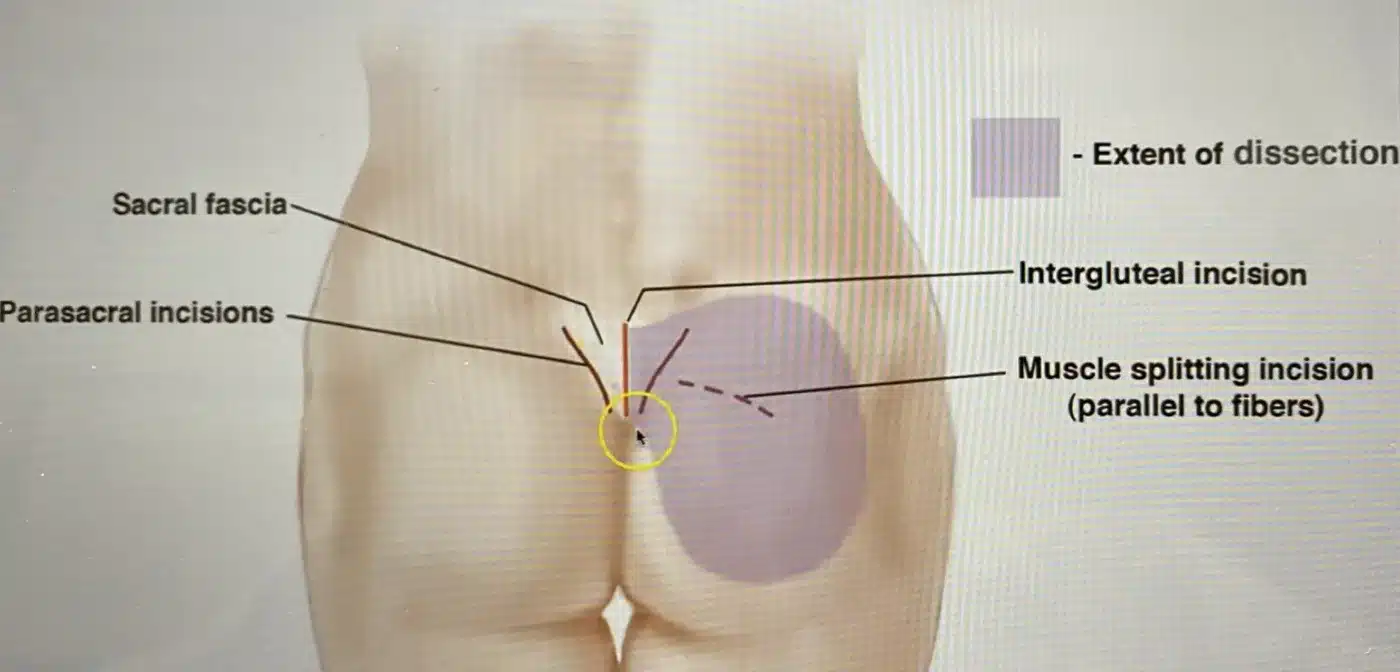
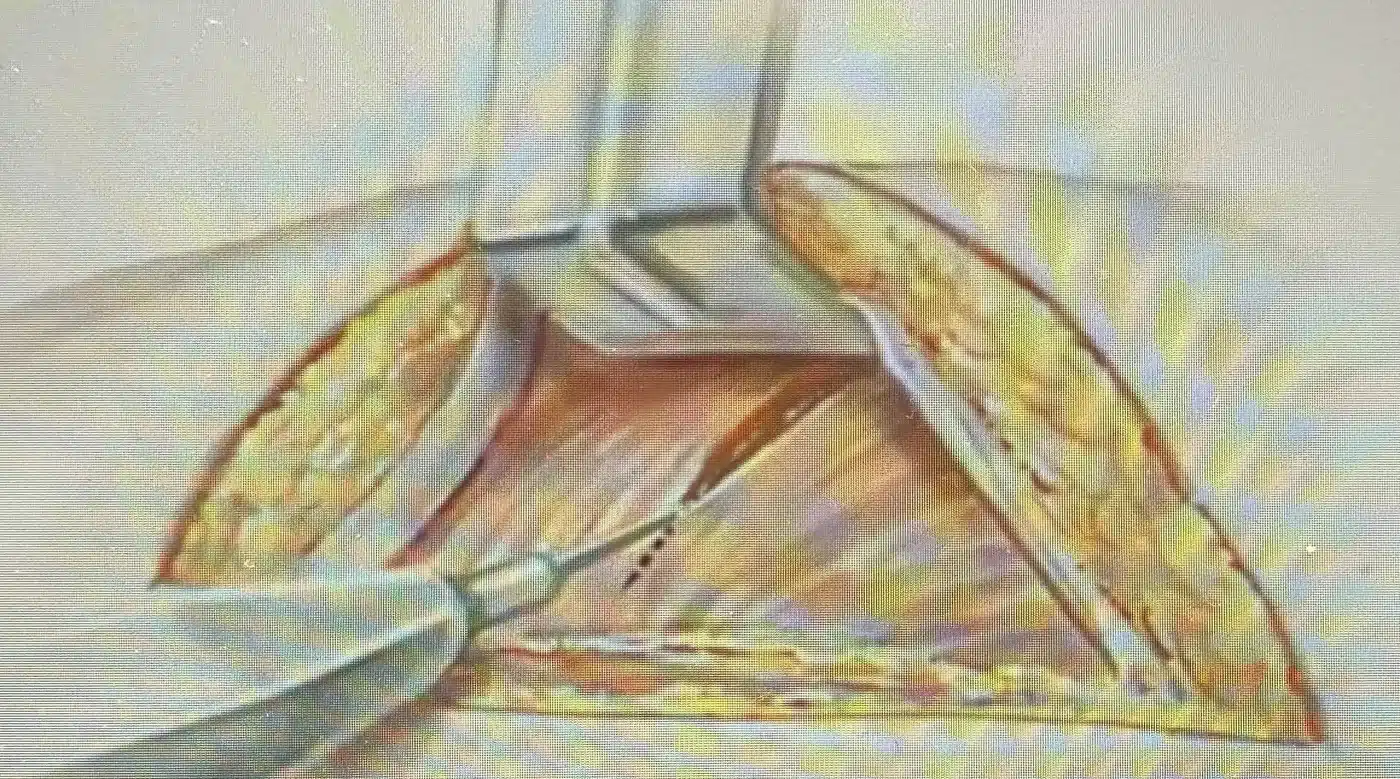
Dr. Troell places gluteal implants within the gluteus maximus muscle (intramuscular placement) — the most technically demanding location, and the one with the lowest long-term complication rate. The muscle holds the implant securely, prevents visible edges, and keeps the implant away from the sciatic nerve.
The sequence, refined across the hands-on courses he teaches to other surgeons:
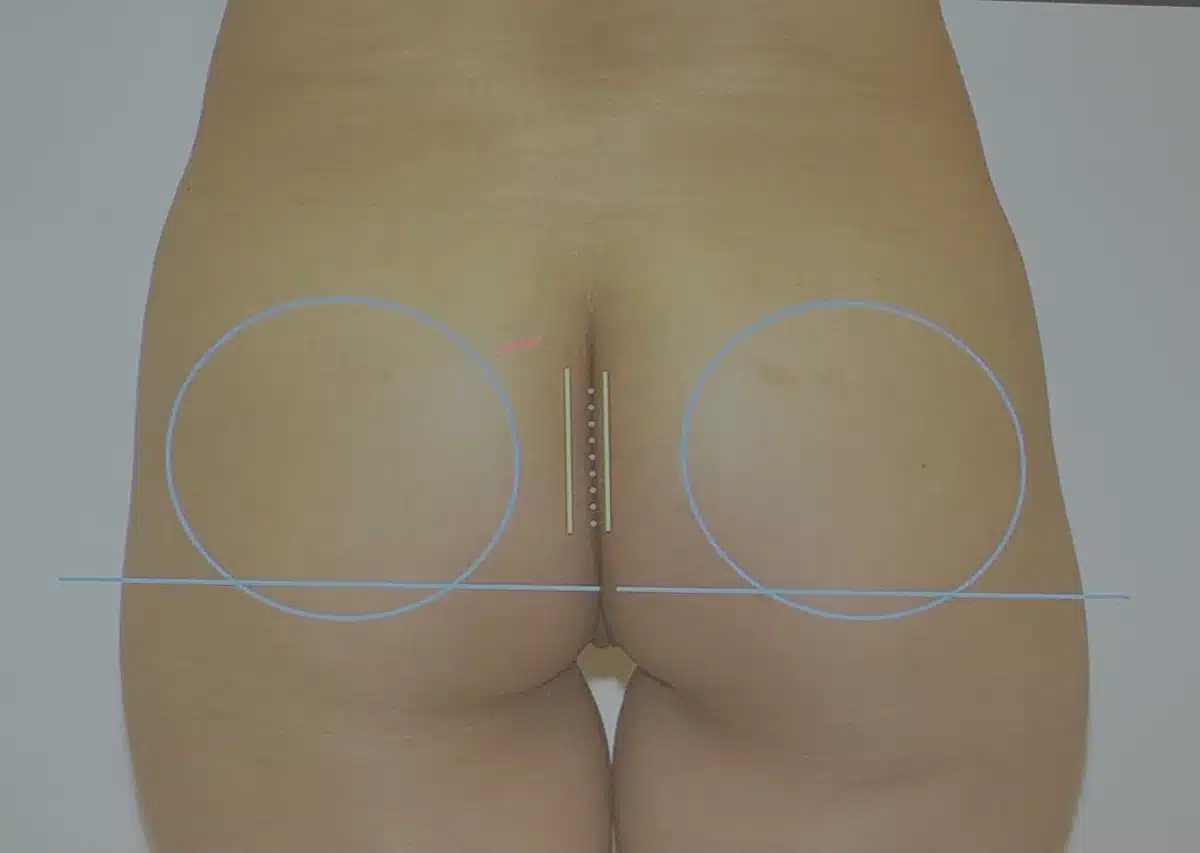
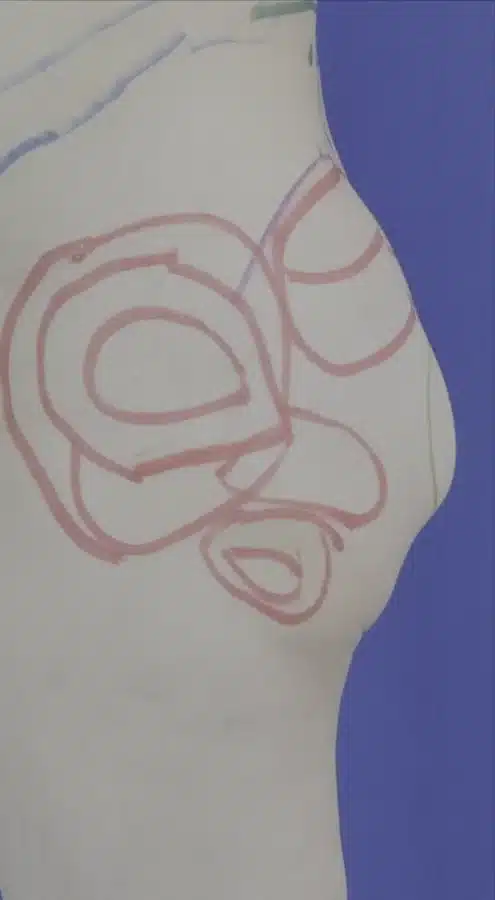
- Marking while standing — implant position and incision lines mapped upright, where gravity tells the truth
- Double skin preparation and sterile draping, with the contamination-prone area walled off
- Local anesthetic infiltration down to the gluteus maximus
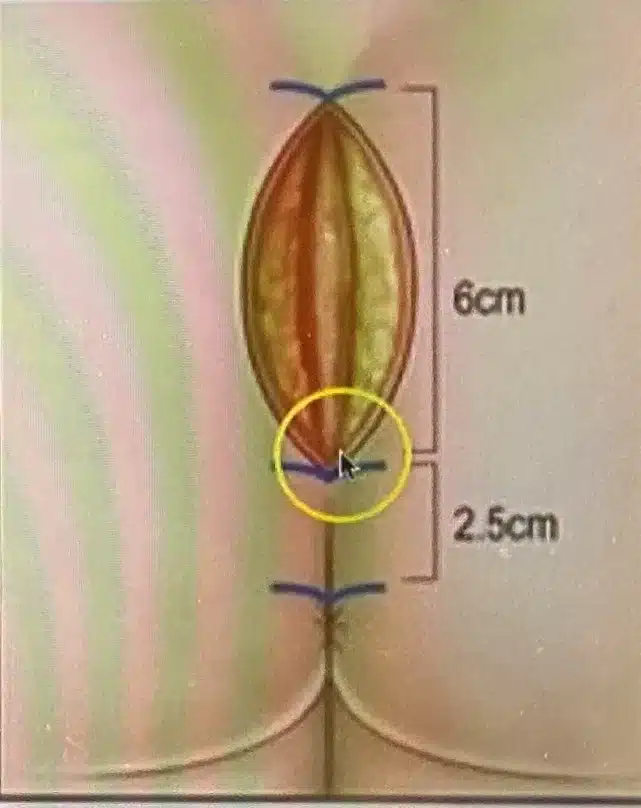
- Two parallel vertical incisions (one per side) — not a single central incision — reducing wound-opening risk
- Radial fascial and muscle incision parallel to the muscle fibers, then blunt pocket creation preserving a 2–3 cm muscle layer over the implant
- Pocket sizing with a template sizer, hemostasis, and copious antibiotic irrigation
- No-touch implant insertion with a sterile Keller Funnel
- Layered closure: muscle, fascia, soft tissue, and skin — with a drain per pocket in primary cases
Surgery takes about two to three hours under general anesthesia — longer when combined with VASER liposuction or fat grafting.
Recovery After Gluteal Implant Surgery
Recovery matters more here than in most cosmetic procedures — both for the aesthetic result and for avoiding complications. The non-negotiable: no direct sitting for three weeks, then gentle sitting for three more.
| Recovery Milestone | What to Expect | How Long It Lasts |
|---|---|---|
| Discomfort | Moderate (5–8 out of 10) the first 3–7 days, then mild (2–4) the following week | Mostly gone by 2 weeks |
| Bruising | None to mild, mostly around the incisions | Resolved in about 10 days |
| Swelling | Peaks on day 3, mild to moderate | 80% gone by 2 weeks |
| Return to work | No sitting for 3 weeks; desk work possible at 2 weeks with a standing setup or thigh-sitting cushion | 2–3 weeks after surgery |
Most patients are back to normal sitting and light activity by six to eight weeks, with strenuous exercise cleared on Dr. Troell's individual guidance.
How Complications Are Avoided — Before, During, and After
Gluteal implants carry a higher complication rate than a BBL. That risk is managed, not ignored — and managing it starts long before the operating room.
The surgeon's side
- Implant show avoided by preserving a thick (2–3 cm) muscle layer over the implant — and by refusing the subfascial shortcut technique, which nearly always erodes through
- Wound opening avoided by two parallel incisions instead of one central cut, a properly sized pocket, and multi-layer closure of muscle, fascia, and soft tissue
- Infection prevented with double skin prep (alcohol + chlorhexidine), Betadine + sealed draping of the contamination-prone area, copious pocket antibiotic irrigation, no-touch Keller Funnel insertion, and IV + oral antibiotics
- Blood clots (DVT) prevented by stopping estrogen medications two weeks pre-op, intraoperative leg compression devices, and post-op blood thinners when indicated
Your side
- Proper nutrition before and after surgery to speed healing
- A stable, ideal body weight — so the right implant size is chosen
- Strict compliance with the no-sitting protocol
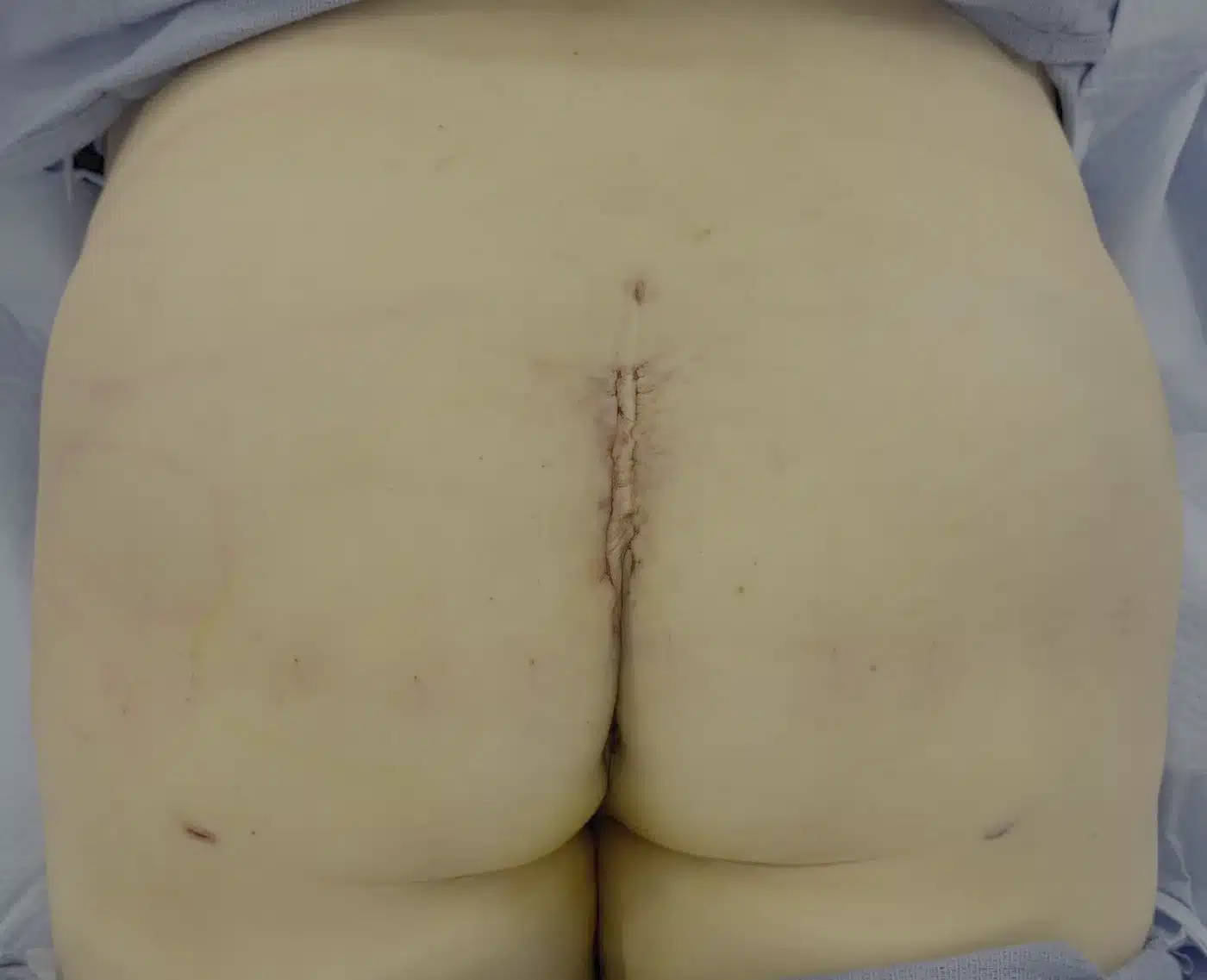
Buttock Implant Before & After
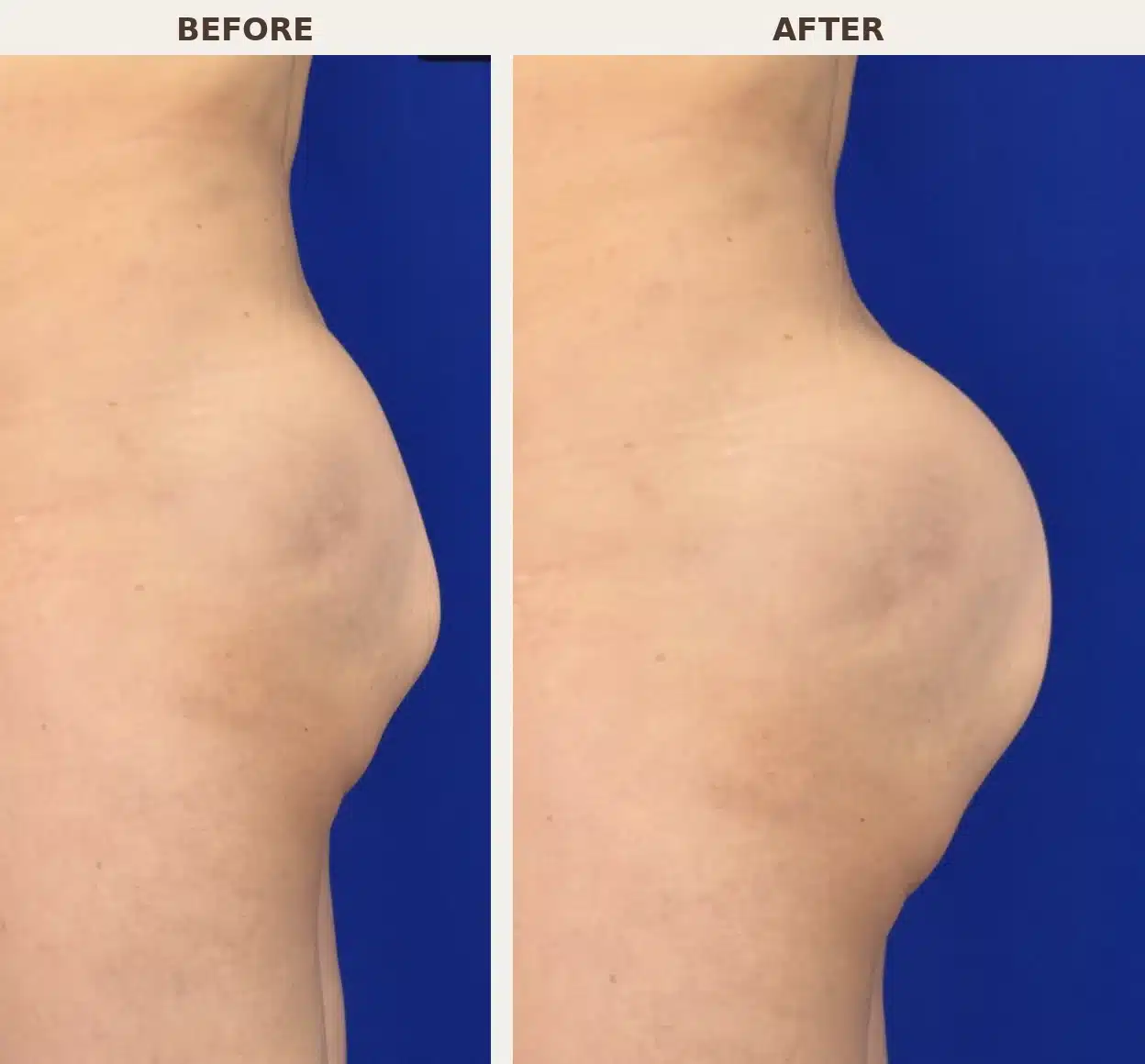
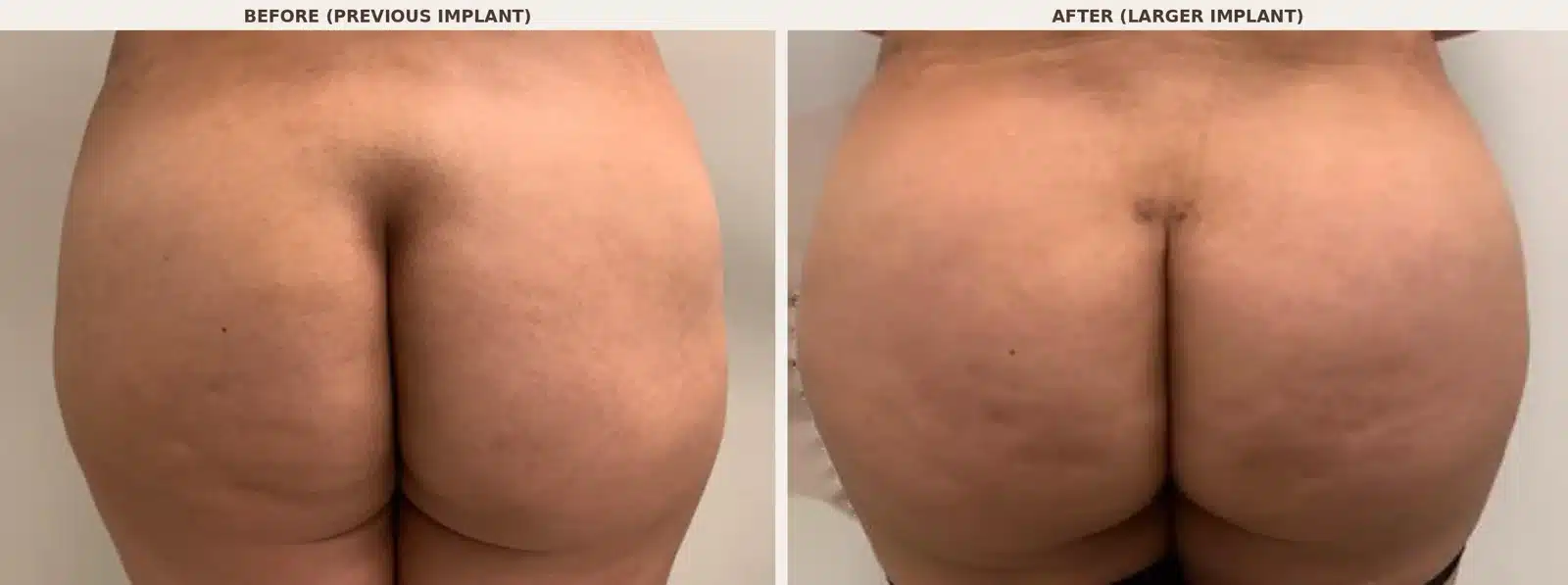
More gluteal results are in our glutes photo gallery. Individual results vary with anatomy, implant selection, and healing.
What Our Gluteal Patients Say
"I was being very careful looking for the right doctor to do two major surgeries on me since my doctor had retired and luckily I found Dr. Troell who has performed buttocks removal and fat transfer as well as Breast Implants removal and fat transfer. It has been two years since my surgeries and I feel healthy and I look great thanks to Dr. Troell … I call Dr. Troell a perfectionist."
Buttock Revision & Fat Transfer · Verified Google review · Apr 2022How Much Do Buttock Implants Cost in Las Vegas?
Here is every fee you should expect, based on current Las Vegas market rates and Dr. Troell's practice pricing — no surprise line items.
| Fee Category | What It Covers | Estimated Fee |
|---|---|---|
| Surgeon's fee | The biggest variable — experience and better results mean a higher fee, and a lower chance of a costly revision | $6,500 |
| Anesthesia | General anesthesia by a certified anesthesiologist or CRNA (~3-hour case) | $1,150 |
| Surgery center | Gluteal implant alone typically takes about 3 hours in the OR | $3,200 |
| ContourFlex implants (pair) | Standard styles; custom patient-specific implants run about $5,300 to design and fabricate | $2,400 |
| Compression garment | Required post-op support garment for 6 weeks | $200 |
| Keller Funnel | No-touch insertion device that reduces infection risk | $200 |
| BLIS coverage | Long-term safety coverage for revision or complication support | $400 |
| Gluteal implant placement, total | Adding Lipo 360 and/or thigh liposuction with BBL increases fees | $14,000 |
Pricing may vary with anatomy, previous surgery, and combined procedures — your exact all-inclusive quote comes from your consultation. Troell Cosmetic Surgery is a self-pay specialty surgical practice and does not bill insurance; consultations are free, quotes are transparent, and financing options are available.
For how this all-in fee compares with a fat-transfer BBL and with the national surgeon-fee averages for both operations, see the BBL and butt implant cost guide.
Why Choose Dr. Troell for Buttock Implants
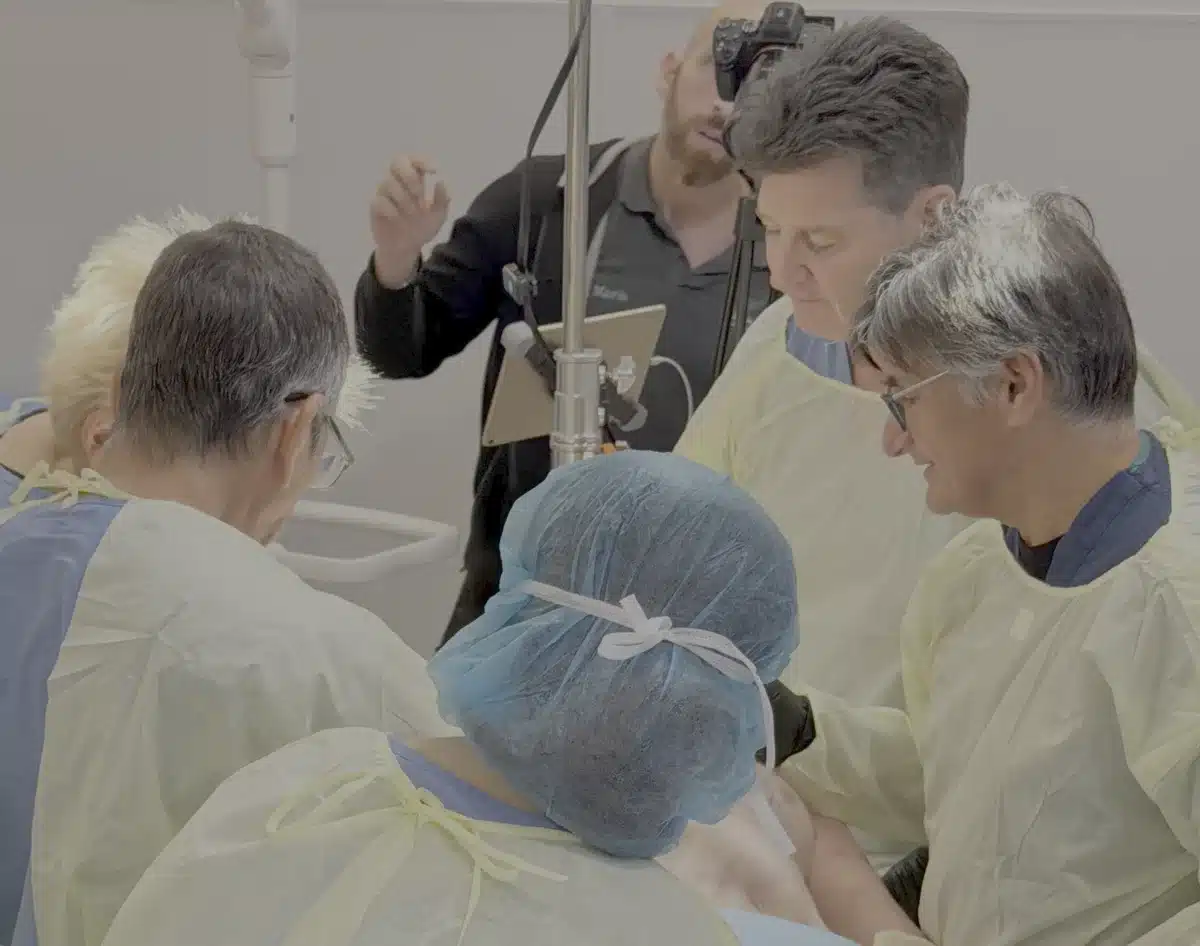
Gluteal implant surgery is a small specialty inside a specialty — and Dr. Troell doesn't just perform it, he teaches it. He is one of only two standing instructors worldwide (alongside Dr. Barry Eppley) for the ongoing hands-on cadaver training course in body implant placement offered through Implantech Associates, the world's largest facial and body implant company. He has personally taught 23 hands-on courses covering high-definition liposuction with gluteal and breast fat grafting, and published the peer-reviewed research on gluteal and hip augmentation this page draws from.

Request a Consultation
Buttock Implant FAQs
How are buttock implants different from a Brazilian Butt Lift?
Implants are solid silicone devices placed within the gluteal muscle for lasting volume and projection. A BBL uses your own fat, harvested by liposuction and re-injected. Implants suit patients without enough donor fat; a BBL suits patients who have fat available and want a fully natural-tissue result — and it remains the recommended first choice when anatomy allows.
What are gluteal implants made of?
Solid, cohesive soft or ultrasoft silicone — firmer than a gel breast implant, and designed to withstand the everyday pressure of sitting and movement. Because they're solid rather than gel- or saline-filled, they can't rupture or leak, and capsular contracture risk is reduced.
Where are the implants placed?
Almost always within the gluteus maximus muscle (intramuscular placement). The muscle holds the implant securely, lowers the risk of shifting or visible edges, and keeps the implant safely away from the sciatic nerve. Placement below the muscle is rarely used precisely because of that nerve's proximity.
Should implants be placed under the fascia instead (subfascial)?
No — and this is worth asking any surgeon you consult. Implants placed under the often paper-thin fascia nearly always erode through it, ending up as a subcutaneous implant with visible edges, chronic fluid collection, higher infection risk, displacement, and thinning of the overlying fat. Dr. Troell teaches the intramuscular technique specifically because the shortcut fails.
When can I sit, work, and exercise again?
No direct sitting for about three weeks, then gentle sitting (specialized cushion, weight toward the thighs) for the next three. Most patients return to desk work within two weeks, light exercise around four to six weeks, and full activity by six to eight weeks on Dr. Troell's individual clearance.
How long do gluteal implants last?
They're designed to be long-lasting, and many patients keep their original implants for life. Some eventually choose revision for size change, implant position, or personal preference — but there is no scheduled replacement requirement.
Can I get a bigger size later?
Yes — large-volume goals in thin patients are usually staged. A first implant (typically up to about 350 cc) stretches the tissue for six months to a year; a second surgery then places a larger implant — commonly custom-designed, up to about 750 cc — in the expanded pocket with internal capsule release. It's a known, planned pathway, not a complication.
What are the risks?
Infection, incision opening (dehiscence), fluid buildup (seroma), implant shifting or rotation, asymmetry, and — rarely — implant exposure or revision surgery. The overall risk is higher than a BBL, which is why surgeon technique (pocket depth, muscle coverage, sterile protocol, layered closure) and your compliance with the sitting restrictions matter so much.
Do you take insurance for buttock implant surgery?
Troell Cosmetic Surgery is a self-pay specialty surgical practice and does not bill insurance. That model is deliberate: no insurance-imposed restrictions on technique, surgical time, anesthesia choice, or technology. Consultations are free, pricing is transparent (see the full fee table above), and financing options are available.
Explore Related Procedures
Brazilian Butt Lift
Fat-transfer gluteal augmentation — the recommended first option
VASER Liposuction
High-definition contouring that frames the gluteal result
Hip Implants
Custom patient-specific implants for structural hip dips — the sibling procedure
Sculptra
The nonsurgical option — modest enhancement, no downtime
Proudly Serving the Las Vegas Valley
Dr. Troell’s practice at 5375 S Fort Apache Rd in Las Vegas sees buttock implant patients from Spring Valley and Summerlin South, Enterprise, and across the valley to Henderson and North Las Vegas. Las Vegas gets 85 percent of its possible sunshine, about 3,782 hours a year, by NOAA climate normals, so the American Academy of Dermatology’s advice matters here: a broad-spectrum sunscreen of SPF 30 or higher whenever clothing won’t cover a scar.
Published Research Behind This Page
- Troell RJ. Gluteal & Hip Stem Cell Enriched Fat Grafting (Brazilian Butt Lift): Optimizing Outcomes While Minimizing Complications. Medical Research Archives (European Society of Medicine). 2026;14(4). doi:10.18103/mra.v14i4.7467
- Troell RJ, Eppley B, Javaheri S. Concepts in Hip Implant Body Contouring: Patient Evaluation & Implant Fabrication. Am J Cosmet Surg. 2022;40(4):263–274. doi:10.1177/07488068221101229
- Troell RJ, Eppley B, Javaheri S. Evolving Clinical Experiences in Aesthetic Hip Implant Body Contouring. Aesthet Surg J. 2022;42(8):NP516–NP530. doi:10.1093/asj/sjac064
- Troell RJ, Javaheri S. Safety and Efficacy Combining VASER Ultrasound Liposuction With Renuvion Helium Plasma for Body Contouring. Am J Cosmet Surg. 2026. doi:10.1177/07488068261457695
- Troell RJ. Liposuction 20-Year Learned Experience (Part 2): Optimizing Cosmetic Outcomes While Minimizing Complications. Am J Cosmet Surg. 2025. doi:10.1177/07488068251352069

Implants, BBL, or Both? Get a Straight Answer.
Dr. Troell teaches this surgery to other surgeons — and he'll tell you honestly which path fits your anatomy, including when the answer isn't an implant at all.