

What to Expect 4 Weeks After Vaser Lipo Treatment
Published October 16, 2025 · By Dr. Robert J. Troell, Board-Certified Facial Plastic Surgeon
Dr. Robert J. Troell, MD, FACS

Key Takeaways
Four weeks after Vaser lipo treatment, most patients are back at work, cleared for light exercise like walking, and watching their new contours emerge as the heaviest swelling subsides. Some lingering swelling, firmness, and numbness is completely normal at this stage — Vaser lipo recovery continues well past the one-month mark, with final results settling in over two to three months. That surge of energy you’re feeling is a great sign, but your body is still healing internally, and this stage rewards a gentle, mindful re-entry rather than a sprint back to your old routine. Pushing too hard can lead to setbacks like increased swelling that delay your final results. Below, we’ll walk through what’s normal at week four, how to reintroduce light exercise, which activities to continue avoiding, and how to listen to your body’s signals.
Planning Your Own Vaser Lipo Journey?
The recovery covered in this guide starts with a plan. In a single consultation at his Las Vegas practice, Dr. Troell walks you through your contouring options, what your week-by-week healing will look like, and how to prepare for a smooth first month.
- Your 4-week results are a preview, not the finale: It’s exciting to see your new shape, but it’s completely normal to still have some swelling, firmness, or numbness. Be patient, as your contours will continue to refine over the next several months.
- Prioritize light movement over intense workouts: Easing back into activity with gentle walks helps reduce swelling and supports healing. Continue to avoid heavy lifting and high-impact exercise until your surgeon gives you the green light to protect your investment.
- Support your results from the inside out: A nutritious diet, plenty of water, and adequate rest are crucial for recovery. These habits help reduce swelling now and are the foundation for maintaining your new shape for years to come.
Your Vaser Lipo Recovery: What to Expect at 4 Weeks
Hitting the one-month mark after your Vaser Lipo procedure is a significant milestone in your recovery journey. By now, the initial discomfort has likely faded, and you’re starting to see the exciting changes you’ve been waiting for. While your body is still healing, this is the point where you get a real glimpse of your new contours. Let’s walk through what you can expect to see and feel four weeks after your treatment.
The First Month, Week by Week
Here’s how Vaser lipo recovery typically unfolds. In the first few days, expect some pinkish tumescent-fluid drainage from the incision sites along with the most noticeable swelling and bruising. Over the following weeks, discomfort fades steadily while your compression garment does its most important work — controlling swelling and helping your skin settle into its new shape. Week four is the milestone this guide covers: drainage has stopped, incisions have closed, most patients are back at work, and light exercise is back on the menu. From here, the remaining swelling resolves gradually, and your final contours settle in over the next two to three months.
The 4-Week Milestone: What You’ll See and Feel
At four weeks, you should notice a significant improvement in your body shape. The treated areas will look slimmer and more defined as the majority of the initial swelling subsides. This is an exciting time because you can finally start to appreciate the results of your Vaser Lipo procedure. While you’re not quite at the finish line yet, the changes are becoming much more apparent. Think of this stage as a preview of your final outcome. As the last bits of swelling and bruising disappear over the coming weeks and months, your new silhouette will only continue to refine and settle.
How Your Body Is Changing
It’s completely normal to still have some swelling at the four-week mark. Your body has been through a lot, and this lingering puffiness is just a sign that it’s still in the final stages of healing. This swelling can sometimes take several months to resolve completely, so patience is key. You might also experience some residual bruising or numbness in the treated areas. Don’t be alarmed—these sensations are typical as the tissues and nerves recover. Your body is working hard behind the scenes to repair itself, and these external signs are a natural part of that intricate process.
How to Manage Swelling and Bruising
To help your body along, it’s crucial to follow your post-operative care instructions carefully. Consistently wearing your compression garment is one of the most effective things you can do. It helps minimize swelling, supports your healing tissues, and helps your skin conform to its new shape. Alongside this, maintaining a healthy lifestyle will support your recovery and your long-term results. Focus on a balanced diet rich in nutrients and stay hydrated. Gentle, regular exercise, like walking, can also aid circulation and reduce swelling, but be sure to stick to the activity guidelines we provided.
Is This Normal? Common Post-Lipo Symptoms
As you recover, it’s completely normal to wonder if what you’re experiencing is part of the standard healing process. Your body has been through a significant procedure, and it needs time to adjust and repair itself. You’re likely feeling a mix of excitement about your new shape and a bit of impatience for the final results to appear. This is the point where you might start analyzing every new sensation, every patch of swelling, and every little twinge. Knowing what’s typical can give you peace of mind and help you focus on your recovery instead of worrying. We want you to feel confident and informed as you heal, so let’s walk through some of the most common symptoms you might be seeing and feeling around the four-week mark, and clarify when it might be time to check in with us.
Handling Discomfort and Sensitivity
By week four, any significant pain from the procedure should be long gone. However, don’t be surprised if the treated areas still feel a bit tender, numb, or unusually sensitive to the touch. You might also experience some tingling or itching sensations as the nerves in the area wake up and heal. This is all a normal part of the journey. The most important thing is to listen to your body. Continue to wear your compression garment as advised, as this is crucial for managing swelling and supporting your healing tissues. If you feel any sharp, persistent pain, that’s a sign to give our office a call, but general sensitivity is typically nothing to worry about.
What to Know About Fluid and Drainage
In the first few days after your Vaser lipo, you likely noticed some pinkish-orange fluid leaking from your incision sites. This is called tumescent fluid, and it’s a mix of saline and local anesthetic used during your procedure. This drainage is not only normal but beneficial, as it helps reduce post-operative swelling and bruising. By the four-week mark, any drainage should have completely stopped, and your incision sites should be closed and healing nicely. If you notice any new or unexpected fluid leaking from your incisions at this stage, it’s important to contact your surgeon right away to make sure everything is on track with your recovery.
What’s Normal and What’s Not
At one month post-op, you should be seeing some exciting changes in your body’s contours. As the initial swelling and bruising fade, your new shape will become more defined. However, it’s crucial to remember that you’re not seeing the final result just yet. Lingering swelling is the most common symptom at this stage, and it can take several more months to fully resolve. You might also feel some firm or lumpy areas under the skin, which is a normal part of the internal healing process. To help with this, many patients find that a gentle lymphatic drainage massage can speed up the reduction of swelling and soften these firm spots.
When to Call Us
While most of your recovery should be smooth, it’s important to know which signs warrant a call to your surgeon. Your health and safety are our top priorities. Please contact us immediately if you experience any potential signs of infection, such as a fever, increasing redness or warmth around an incision, or a foul-smelling discharge. Other reasons to call include a sudden, significant increase in swelling or pain, shortness of breath, or calf pain. We would always rather you call with a question than worry at home. Trust your instincts—if something doesn’t feel right, we are here to help you through it.
Getting Back to Your Routine Safely
At the four-week mark, you’re likely feeling more like yourself and getting excited about the changes you see. This is a fantastic milestone! The initial discomfort has faded, and you’re starting to see the beautiful new contours you’ve been dreaming of. It’s completely normal to feel a surge of energy and a desire to jump right back into your old routines, especially your fitness regimen. However, while your spirit is ready, your body is still hard at work healing beneath the surface. This is a crucial period where patience pays off in a big way.
Think of this stage as a gentle re-entry, not a sprint back to the finish line. A slow, steady, and mindful approach will protect your investment and ensure you get the stunning, long-lasting results you deserve. Listening to your body is your most important job right now. We’ll walk you through exactly how to ease back into daily life, what exercises you can safely start doing, and which activities are still on the “not yet” list. Following this guidance will help you stay on track for a smooth and successful recovery, getting you closer to your final outcome without any frustrating setbacks.
Easing Back into Daily Life
By now, you should be feeling much more comfortable moving around. Most patients find they can return to work, especially if they have a desk job or a role that isn’t physically demanding. You’ll notice a significant improvement in your body’s contour as the initial swelling continues to go down. This is an exciting glimpse of what’s to come! While you’re getting back into the swing of things, continue to be mindful of your movements. Avoid any sudden twisting or straining, and if an activity causes discomfort, take it as a sign to pull back and rest. Your body is communicating with you, so it’s important to listen.
Exercises You Can Start Doing
If you’ve been missing your workouts, you can now start reintroducing some light exercise. The key word here is light. The goal is to get your body moving and your blood flowing without putting any strain on the treated areas. Think low-impact activities like walking, gentle stretching, or using a stationary bike at a slow, steady pace. These movements can help with circulation, reduce any lingering swelling, and make you feel great both physically and mentally. Remember to wear your compression garment during any physical activity unless Dr. Troell has advised otherwise, as it provides crucial support to your healing tissues.
How to Approach Your Workouts
As you begin exercising again, your mindset is just as important as the movements themselves. Start with shorter sessions and gradually increase the duration and intensity over the next few weeks. For example, begin with a 15-minute walk and see how you feel. If all is well, you can try 20 minutes the next day. This gradual progression is the safest way to rebuild your fitness without overdoing it. Pay close attention to any signals from your body. A little muscle fatigue is normal, but sharp pain, a sudden increase in swelling, or unusual discomfort are signs to stop immediately and rest.
What Activities to Skip for Now
Patience is still your best friend at this stage. It’s crucial to continue avoiding all strenuous activities and high-impact workouts. This means no heavy lifting (anything over 10 pounds), running, contact sports, or intense fitness classes like HIIT or CrossFit for at least another few weeks. These activities can increase swelling, put you at risk for injury, and negatively affect your healing tissues, potentially compromising your results. Dr. Troell will give you the final green light to return to your full fitness routine at one of your follow-up appointments. Until then, stick to gentle movement and let your body heal properly.
Caring for Yourself After Vaser Lipo
Your Vaser Lipo procedure is complete, and now the focus shifts to your recovery. Taking great care of yourself during this time is just as important as the surgery itself for achieving a smooth, beautifully contoured result. Think of these next few weeks as the final, crucial step in your transformation. By following a few key guidelines, you can support your body’s natural healing process, manage discomfort, and get back to feeling like yourself sooner.
Your Guide to Compression Garments
After your procedure, you’ll be fitted with a special compression garment. While it might not be the most fashionable item in your closet, it’s one of your most important recovery tools. You’ll need to wear this snug garment for several weeks as instructed. Its job is to apply steady pressure to the treated areas, which helps reduce swelling and provides support to your tissues as they heal. This not only makes you more comfortable but also helps your skin conform to your new body shape, ensuring the final result is as smooth as possible. Following your surgeon’s specific instructions on how long to wear it is essential.
The Role of Massage in Your Recovery
As your body heals, you may notice some swelling due to fluid buildup. This is a normal part of the process. To help manage this, we often recommend a series of gentle lymphatic drainage massages. This specialized massage technique encourages the movement of excess fluid out of the treated areas and back into your body’s natural circulation system. It’s a gentle and effective way to decrease swelling and can also help soften the tissue. Many patients find these massages to be a relaxing and beneficial part of their recovery journey, helping them feel more comfortable as their new shape emerges.
Does Vaser Lipo Leave Scars?
Vaser Lipo is known for its minimally invasive approach, which means the incisions are very small. As a result, the scars are typically tiny and fade to be barely noticeable over time. Your main responsibility is to keep the incision sites clean and watch for any signs of infection. While rare, it’s important to be aware of the symptoms. Please call our office right away if you develop a fever, feel nauseous, dizzy, or unusually tired in the days following your procedure. Staying vigilant helps ensure your healing process goes exactly as planned, leading to the best possible scar outcome.
Eating to Heal Faster
What you eat and drink after surgery can have a real impact on your recovery speed. Your body is working hard to repair itself, and you can give it the fuel it needs by focusing on a healthy diet. Make sure you’re eating plenty of nutrient-dense foods, especially those rich in protein, vitamins, and minerals, as these are the building blocks for tissue repair. Just as important is staying hydrated. Drinking lots of water helps your body flush out excess fluid, which can reduce swelling and support the overall healing process. Simple choices like these can make a big difference in how you feel.
Seeing Your Final Vaser Lipo Results
The first few weeks after your procedure are all about healing, but soon you’ll be looking for the beautiful new contours you’ve been waiting for. While you’ll notice some changes right away, the journey to your final look is a gradual process. Patience is your best friend here, as your body needs time to settle and reveal the full effects of the treatment. Let’s walk through the timeline and what you can do to support your amazing results.
When Will You See the Final Outcome?
You might catch a glimpse of your new shape right after your Vaser Lipo procedure, but the complete picture will be temporarily hidden by swelling and bruising. This is a completely normal part of the healing process. Think of it like waiting for a sculpture to be unveiled—it takes a little time. The most significant and exciting changes become clear once the swelling has substantially gone down. For most people, this happens within two to three months. At that point, you’ll be able to see the final, refined contours you’ve been working toward.
What Influences Your Recovery Speed?
Your recovery journey is unique to you. While there are general timelines, several factors can influence how quickly you heal and see your final results. One of the main factors is the extent of the procedure itself—the more areas treated or the larger the volume of fat removed, the more time your body may need to recover. Your overall health also plays a huge role. A strong immune system and good circulation can contribute to a smoother, faster healing process. Following your post-operative instructions to the letter is also critical for a great outcome.
How to Track Your Progress
By the four-week mark, you’ll likely see a significant improvement in your body’s shape. Most of the initial, more intense swelling will have subsided, giving you a much better idea of what your final results will look like. This is a great time to start appreciating the changes. To really see how far you’ve come, I recommend taking weekly progress photos. Stand in the same spot, with the same lighting, and wear a similar outfit each time. It’s easy to miss the subtle, day-to-day changes, but photos provide an objective record of your transformation.
Maintaining Your New Contour
Vaser Lipo permanently removes fat cells from the treated areas, which is fantastic news. However, it’s important to remember that the remaining fat cells in your body can still grow if you gain weight. The best way to protect the investment you’ve made in yourself is by committing to a healthy lifestyle. This doesn’t mean you need to adopt a super-strict diet overnight. Instead, focus on creating sustainable habits. Incorporate a balanced diet with plenty of whole foods and find a regular exercise routine you genuinely enjoy. These habits will preserve your beautiful new shape for years to come.
Lifestyle Habits for the Best Results
Your Vaser Lipo results are a fantastic starting point, but the choices you make during recovery are what truly solidify that beautiful new contour. Think of this period as a partnership with your body. By adopting a few key lifestyle habits, you’re not just helping the healing process along; you’re setting yourself up for long-term success. It’s all about creating a supportive environment for your body to recover efficiently and for you to enjoy your results for years to come. Simple adjustments to your daily routine can make a world of difference in how you feel and how your final outcome takes shape.
Staying Active the Right Way
By the four-week mark, you’re likely feeling more like yourself and eager to move. This is a great time to reintroduce light activity, which helps with circulation and can even lift your spirits. Gentle walks are your best friend right now. Start with short, slow strolls and see how your body responds. The goal is to encourage blood flow without putting any strain on the healing areas. You should still hold off on anything strenuous—that means no heavy lifting, high-impact cardio, or intense workouts. Listening to your body is the most important rule. If something doesn’t feel right, pull back. Your surgeon will give you the green light for more demanding physical activity when the time is right.
Your Post-Lipo Diet
What you eat plays a huge role in how well your body repairs itself. Focus on a nutritious diet packed with lean protein, vitamins, and minerals to give your body the building blocks it needs to heal. Foods rich in protein, like chicken, fish, beans, and tofu, help repair tissue. Colorful fruits and vegetables provide essential vitamins that support your immune system. It’s also wise to include fiber-rich foods like whole grains and leafy greens, which can help with any bloating or constipation from pain medication. And don’t forget to stay hydrated! Drinking plenty of water is crucial for flushing out toxins and reducing swelling. This isn’t a short-term diet; it’s a foundation for maintaining your results long-term.
Why Sleep and Rest Are Crucial
Never underestimate the power of a good night’s sleep. While you’re resting, your body is hard at work repairing tissues and reducing inflammation. Aim for 7-9 hours of quality sleep each night. You might still feel tired more easily than usual, and that’s completely normal. Your body is directing a significant amount of energy toward healing. If you feel the need to rest during the day, listen to that signal. Pushing yourself too hard can slow down your recovery. Creating a relaxing bedtime routine and ensuring your bedroom is a comfortable, quiet space can significantly improve your sleep quality and, in turn, your healing process.
Managing Stress for Better Healing
Your emotional well-being is just as important as your physical health during recovery. Stress can increase inflammation and slow down healing, so finding ways to stay calm and positive is key. One of the best ways to reduce anxiety is to feel prepared and informed. Carefully follow all the post-operative instructions we provide—they are designed to give you the smoothest recovery possible. It’s also important to avoid things that add stress to your body, like smoking and alcohol, as they can interfere with healing. Consider incorporating simple stress-management techniques into your day, such as deep breathing, listening to calming music, or light stretching once approved.
How to Maintain Your Vaser Lipo Results
Seeing your new, sculpted contours take shape is one of the most exciting parts of the Vaser Lipo journey. While the procedure permanently removes fat cells from the treated areas, it’s important to remember that this is a partnership between you and your body. The remaining fat cells can still expand if you gain weight, which can alter your results. Think of your procedure as a fantastic head start—a clean slate for you to build upon, not a one-time fix that requires no follow-up.
Maintaining your results isn’t about a restrictive, short-term diet or an impossible workout regimen. It’s about adopting a lifestyle that supports your new shape for years to come. The key is to create healthy, sustainable habits that feel good and become a natural part of your routine. By focusing on a balanced diet, consistent movement, and overall wellness, you can protect your investment and enjoy your beautiful results long-term. This next chapter is all about making simple, smart choices that help you feel as amazing as you look, inside and out.
Your Long-Term Care Plan
The best way to preserve your Vaser Lipo results is to commit to a healthy lifestyle. This doesn’t mean you have to become a fitness model overnight, but it does mean making conscious choices to support your body. The two pillars of your long-term plan are a balanced diet and regular exercise. By integrating these into your daily life, you’ll not only maintain your new contours but also improve your overall health and energy levels. It’s about finding a sustainable rhythm that works for you, ensuring you can enjoy your results for the long haul.
Tips for Managing Your Weight
A nutritious diet is your best friend when it comes to maintaining your Vaser Lipo results. Focus on filling your plate with whole foods that fuel your body and help it thrive. A diet rich in lean protein, fresh fruits and vegetables, and whole grains will provide the vitamins and minerals your body needs to stay strong and healthy. Protein is especially important, as it helps your body heal and supports muscle tone. Simple swaps, like choosing grilled chicken over fried or snacking on an apple instead of chips, can make a huge difference over time. Creating a healthy eating plan is one of the most effective ways to manage your weight and protect your results.
Building Healthy Habits for Life
Creating lasting change is all about building small, consistent habits. Start by following all of your post-operative instructions carefully—they are designed to give you the best possible outcome. Staying hydrated is a simple but powerful habit; drinking plenty of water helps flush your system and supports overall health. Incorporate gentle movement into your day, like taking regular walks. This helps with circulation and healing, and it’s a great foundation for a more active lifestyle. The goal is to find enjoyable ways to build healthy habits that stick, turning your post-procedure care into a lifelong wellness routine.
Your Follow-Up Appointments
Your Vaser Lipo procedure is complete, but your journey toward your final results is still underway. Think of your follow-up appointments as essential milestones in your recovery. These check-ups are our chance to see how beautifully you’re healing, monitor your progress, and make sure everything is on track.
Why Your Check-ups Matter
Following your surgeon’s post-operative care instructions carefully is the best way to ensure a smooth recovery and get the amazing outcome you’re looking for. We’re your partners in this process, and these appointments allow us to address any concerns and guide you through the final stages of healing. Attending every scheduled visit is key to a successful and stress-free recovery. These check-ups give you peace of mind and allow us to make sure you’re healing just as expected, ensuring your results are everything you hoped for.
Documenting Your Journey
These appointments are your dedicated time with us, so come prepared with any questions you have. It’s a great idea to keep a small log on your phone or in a notebook between visits. Jot down how you’re feeling, any new sensations, and questions that pop up—nothing is too small or silly to ask. We’ll likely take photos during your check-ups to document your progress. It can be incredibly motivating to see the side-by-side changes, especially when day-to-day healing can feel slow. These regular check-ins help us monitor your progress and ensure your body is responding well to the treatment.
Vaser Lipo Follow-Ups in Spanish
Dr. Robert J. Troell of Troell Cosmetic Surgery in Las Vegas speaks Spanish; consultations and follow-up visits for Vaser liposuction are available in Spanish, the practice has a Spanish-language patient coordinator, and the Vaser liposuction page is published in Spanish at drtroell.com/es/. Who speaks Spanish, and who examines you at each visit, are worth asking any practice before booking.
Signs That Require a Doctor’s Attention
While your recovery should be straightforward, it’s important to know what to look out for. Your body is healing, but certain symptoms can indicate potential liposuction complications that need immediate attention. Please call our office right away if you notice signs of infection, such as increasing redness, excessive swelling, or discharge from your incision sites. You should also contact us immediately if you develop a fever, feel nauseous or dizzy, have trouble breathing, or feel unusually tired in the days following your procedure. Trust your instincts—if something doesn’t feel right, it’s always best to get it checked out. Your safety and health are our top priorities.
Liposuction Before and After: A Real Patient Result
Swelling timelines and week counts only mean so much until you see the outcome they lead to. The patient below was treated by Dr. Troell in Las Vegas; the after photo shows the flatter, more defined midsection this kind of contouring delivers. If you’re four weeks out, remember that your own preview will keep refining for several more weeks.
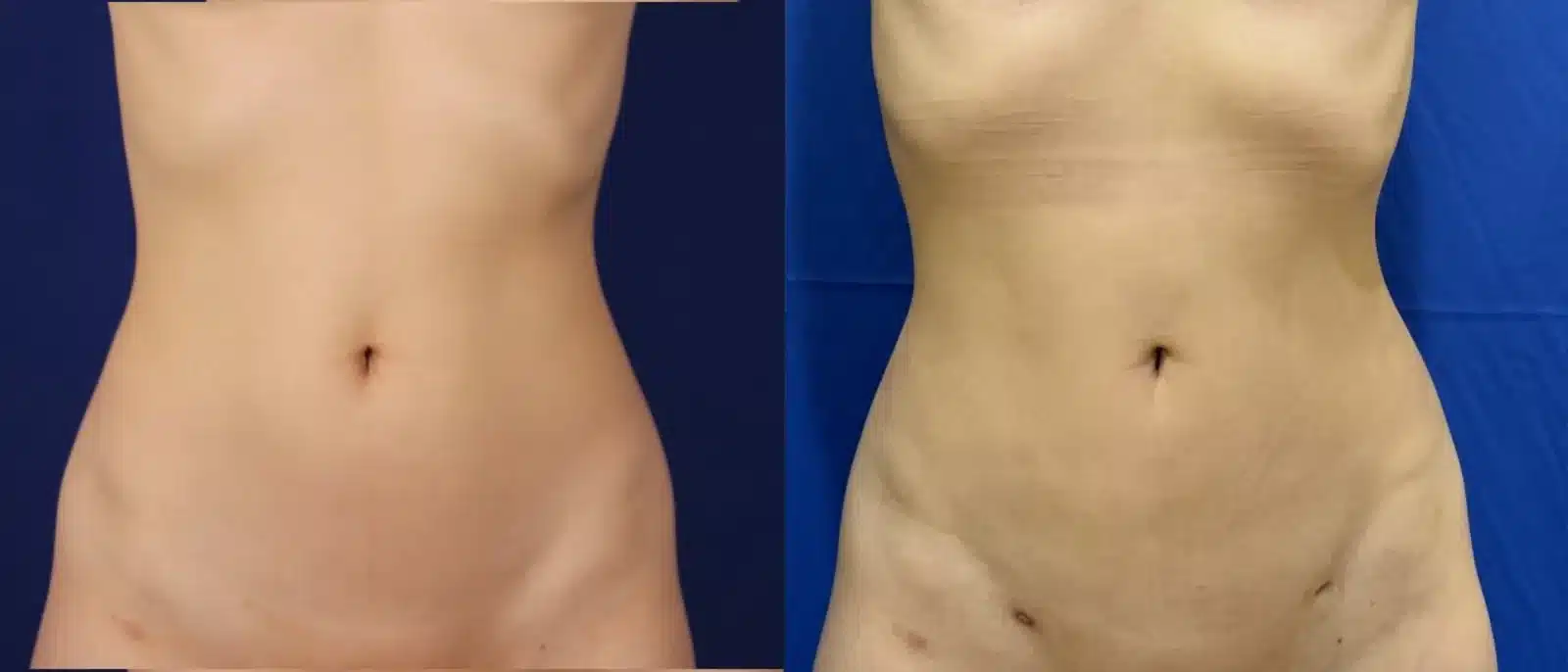
You can see more of Dr. Troell’s healed results — over a dozen body-contouring cases from actual patients — in the liposuction before-and-after gallery.
Thinking About Vaser Lipo in Las Vegas?
Reading about week four is one thing — knowing what your own result could look like is another. Dr. Troell examines your anatomy, talks through realistic outcomes, and gives you a recovery plan built around your life, not a template.
Frequently Asked Questions
Why do I feel hard or lumpy areas under my skin where I had the procedure? Feeling some firm spots beneath the skin is one of the most common experiences at this stage of recovery. This is a normal part of the internal healing process as your body works to resolve inflammation and residual fluid. These areas will gradually soften and smooth out over the next several weeks and months. Continuing with gentle massage, as recommended, can help speed this process along.
I feel almost back to normal. Can I start running or lifting weights again? It’s fantastic that you’re feeling so good, but it’s crucial to hold off on strenuous exercise for just a little longer. Even though you feel great on the surface, your internal tissues are still healing and settling. Jumping back into high-impact activities like running or heavy lifting too soon can increase swelling and potentially compromise your final results. Stick to light activities like walking until your surgeon gives you the official green light to resume your full fitness routine.
How much longer do I really have to wear my compression garment? While it might not be your favorite accessory, the compression garment is your best friend for a smooth recovery. The exact timeline for wearing it varies from person to person, but most patients are advised to wear it consistently for four to six weeks. It plays a vital role in minimizing swelling and helping your skin adhere to its new contours. Be sure to follow the specific instructions provided by your surgeon, as they will give you the best guidance for your individual healing.
Will my results be ruined if I gain a few pounds in the future? Your Vaser Lipo results are permanent in the sense that the treated fat cells are gone for good. However, the remaining fat cells in your body, both in treated and untreated areas, can still expand if you gain weight. A small fluctuation of a few pounds is unlikely to dramatically alter your new shape, but significant weight gain will affect your overall contour. The best approach is to view your results as a great motivator to maintain a stable weight through a balanced diet and regular exercise.
Is it safe for me to take a bath or go swimming at the four-week mark? By one month, your small incision sites are likely closed, but they may not be fully healed and sealed against bacteria. Submerging them in a bath, hot tub, or swimming pool too early can increase the risk of infection. It’s essential to get direct clearance from your surgeon during a follow-up appointment before you go for a swim or a soak. They will be able to confirm that your incisions are completely healed and ready for water.
My mother only speaks Spanish. At her last consultation everything went through me, and I would be the one relaying her week-four questions about the compression garment and the firm spots she can feel. If she has Vaser lipo with Dr. Troell, can she ask those questions in Spanish, to the surgeon himself? She can, and she should not have to route them through you. Dr. Robert J. Troell speaks Spanish, so the consultation at Troell Cosmetic Surgery in Las Vegas, where the surgeon examines her, decides which areas Vaser liposuction can treat, and explains the first month before anything is scheduled, happens directly between your mother and the surgeon who performs the procedure. The same is true at the follow-up visits described above, where the surgeon checks how her swelling, firmness, and skin are settling. The practice also has a Spanish-language patient coordinator for scheduling and for the pre- and post-operative questions that come up between visits, and the Vaser liposuction page is published in Spanish as Liposucción VASER en Las Vegas. What that means at week four: how many more hours a day the compression garment should stay on, whether a firm or numb area is expected at this stage, and when a walk can become a workout are questions she can ask and have answered in Spanish, by the people doing the work, and the ones that need the surgeon’s eye are answered by the surgeon.

Begin Your Journey with Dr. Troell
Schedule a complimentary consultation with Dr. Troell to discuss your goals, explore your options, and receive an honest, expert assessment. No obligation, no pressure.
Mon–Fri, 8:30 AM – 5:00 PM