

Functional Rhinoplasty: Nose Breathing Surgery
Published April 23, 2026 · By Dr. Robert J. Troell, Board-Certified Facial Plastic Surgeon
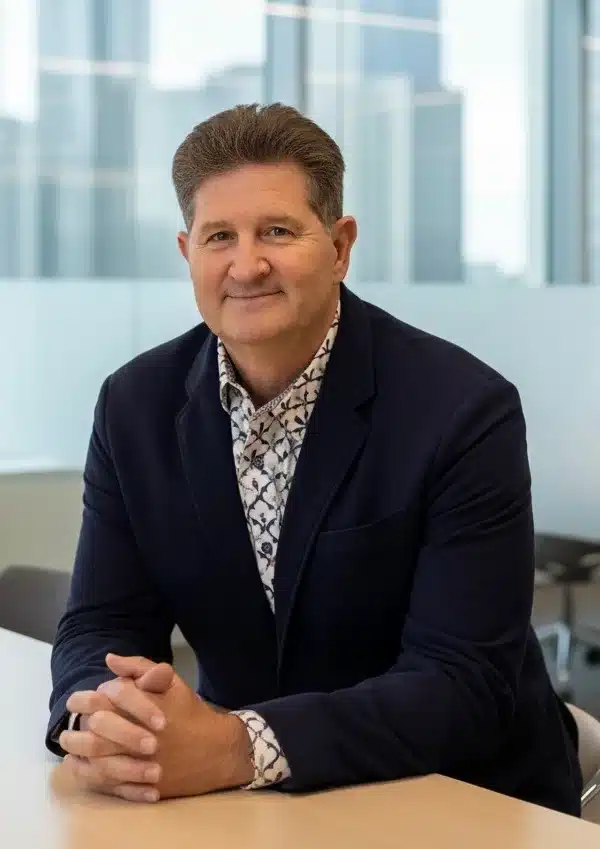
Dr. Robert J. Troell, MD, FACS
The short answer: Functional rhinoplasty corrects the structures that block nasal breathing — a deviated septum, collapsed nasal valves, or enlarged turbinates — to improve airflow, and can be combined with cosmetic refinement in one procedure. Below: what it treats, how it is done, and recovery.
Functional rhinoplasty is nose surgery performed to restore or improve nasal breathing — correcting structural problems like a deviated septum, collapsed nasal valves, alar rim weakness, enlarged turbinates, or a combination of these issues that obstruct airflow. It can be performed alone or combined with cosmetic refinement in a single procedure called septorhinoplasty.
Dr. Robert J. Troell, MD, FACS performs functional rhinoplasty as a specialty surgical practice in Las Vegas. He is board-certified in three converging specialties — otolaryngology (ENT), facial plastic and reconstructive surgery, and sleep medicine — with over 30 years of operative experience and two peer-reviewed publications on nasal valve and alar rim repair.
Important to know up front: Troell Cosmetic Surgery is a self-pay specialty practice. We do not bill insurance for any procedure, including functional ones. Patients choose this path for a specific reason — covered in detail below. Free consultations are available so prospective patients can evaluate the fit before committing.
Trouble Breathing Through Your Nose?
Schedule a free consultation with Dr. Troell to evaluate your nasal anatomy, breathing patterns, and surgical options. No pressure — just an honest assessment.
Symptoms That Point to a Structural Nasal Problem
Functional rhinoplasty addresses physical obstructions inside the nose. The most common signs that surgery may help include:
- Chronic mouth breathing, especially while sleeping or exercising
- Persistent nasal congestion that doesn't resolve with allergy medication or decongestants
- Snoring or noisy breathing that disrupts sleep for you or a partner
- Difficulty breathing on one side — often a sign of a deviated septum
- Whistling or collapsed nostrils when inhaling deeply — a hallmark of nasal valve or alar rim weakness
- Recurring sinus infections linked to poor airflow and drainage
- Diagnosed sleep-disordered breathing (mild to moderate sleep apnea, upper airway resistance syndrome)
- Breathing problems after a previous rhinoplasty — structural collapse or scarring from a prior procedure
- History of nasal trauma (broken nose, sports injury) that left the airway compromised
If you recognize three or more of these symptoms, a structural evaluation is warranted. The cause is rarely a single issue — most patients have a combination of septal deviation, valve weakness, and turbinate enlargement that compound to restrict airflow.
Functional vs Cosmetic Rhinoplasty — and Why They're Often Combined
Patients often think of rhinoplasty as one operation. In practice, it splits into two distinct surgical goals that can be performed separately or together in a single procedure called septorhinoplasty.
| Functional Rhinoplasty | Cosmetic Rhinoplasty | Combined Septorhinoplasty | |
|---|---|---|---|
| Primary Goal | Restore nasal breathing | Refine nasal appearance | Both, in one operation |
| Surgical Focus | Septum, valves, turbinates, alar rim | Bridge, tip, dorsum, projection, symmetry | Internal structure + external aesthetics |
| Surgeon Skill Set | Airway anatomy expertise | Aesthetic judgment + facial proportion | Dual-board specialty required |
| Anesthesia | General or local with sedation | Typically general | General |
| Recovery | 1–2 weeks visible | 2–3 weeks visible swelling, months for final shape | 2–3 weeks visible, full settling at 12 months |
| Why Combine | — | — | One anesthesia, one recovery, one fee structure, prevents future revision |
The case for combining is strongest when a patient already wants cosmetic refinement and has measurable breathing issues. Doing both at once is more efficient and substantially reduces the risk of needing a second surgery later — revision rhinoplasty is the most technically demanding nasal procedure.
The case against combining is when functional surgery alone will resolve the patient's complaint and they have no aesthetic concern. Septoplasty-only or turbinate-only procedures are simpler, faster, and don't change the external appearance.
The Procedures Within Functional Rhinoplasty
"Functional rhinoplasty" is an umbrella term. The actual operation may include any combination of the following techniques, chosen based on the specific structural problem:

Septoplasty — Straightening a Deviated Septum
The septum is the cartilage and bone wall that divides the two nasal passages. When it's deviated — from genetics, growth, or injury — it can block airflow on one or both sides. Septoplasty repositions or removes the deviated portion without changing the external shape of the nose. It's the most common functional nasal procedure and the foundation that many other functional repairs build on.
Why dual ENT + facial plastic training matters here: septoplasty is technically straightforward, but the structural choices made during the procedure — how much septal cartilage to preserve, how to maintain dorsal and caudal support — directly determine whether future cosmetic refinement is possible or whether over-resection compromises the nasal framework. ENT-trained surgeons focus on airway; facial-plastic-trained surgeons focus on structural support. Dual training lets the same surgeon hold both concerns at the same time.
Turbinate Reduction
The inferior turbinates are bony structures lined with mucosa that warm and humidify air. Chronic enlargement — from allergies, irritants, or compensatory growth on the side opposite a septal deviation — restricts airflow. Reduction techniques range from radiofrequency ablation to submucous resection, performed at the same time as septoplasty when both contribute to obstruction.
Why sleep medicine training matters here: turbinate tissue swells with sleep position, allergen exposure, and inflammation — patterns that an ABSM-certified surgeon is specifically trained to evaluate. Understanding the airway at rest, under load, and during sleep informs how aggressive the reduction should be, and whether turbinate reduction alone will resolve the patient's complaint or whether it needs to be combined with other procedures.
Nasal Valve Repair
The internal nasal valve is the narrowest segment of the airway and the most common site of dynamic collapse during inspiration. Weakness here can cause the side wall to draw inward when breathing deeply, producing the whistling or collapsing sensation patients describe. Repair techniques include spreader grafts, butterfly grafts, and alar batten grafts, depending on the specific anatomy.
Dr. Troell's work in this area was published in the American Journal of Cosmetic Surgery in 2019, describing a transcutaneous alar rim graft technique for managing nasal alar rim and valve collapse. [1]
Why publication-backed expertise matters here: the valve is a three-dimensional structure that fails in different patterns depending on whether the weakness is cartilaginous, mucosal, or scar-related. No single graft technique solves every presentation — part of the surgeon's job is to identify the failure mode before selecting the repair. A surgeon who has published on this specific problem has done the pattern-recognition work in a way that gets peer-reviewed.
Alar Rim Repair
The alar rim is the rim of cartilage at the bottom edge of each nostril. Weakness, retraction, or collapse here causes both an aesthetic notching and a functional reduction in the nasal opening. Repair typically involves cartilage grafts placed along the rim to support and reposition the structure.
This is one of the more technically demanding areas of functional nasal surgery. Dr. Troell co-authored the original peer-reviewed evaluation of a procedure for nasal alar rim and valve collapse reconstruction, published in Otolaryngology–Head and Neck Surgery, Volume 122, in 2000. [2] The techniques described in that paper remain part of the modern repertoire for severe alar rim collapse.
Why the ENT + facial plastic convergence enabled this technique: alar rim repair sits at the intersection of two surgical disciplines — airway reconstruction (ENT) and aesthetic nasal tip work (facial plastic). The 2000 paper was written from exactly that cross-trained perspective, describing a reconstruction method that solves the functional airway problem without creating a cosmetic distortion. Twenty-plus years later, patients benefiting from that technique are a durable reminder of why the dual-board foundation matters.
Septorhinoplasty — Combined Functional + Cosmetic
A single operation that combines any of the functional procedures above with cosmetic refinement of the external nose — bridge reduction, tip refinement, dorsal hump removal, projection adjustment. The internal work is performed first; the external work follows in the same operative session under the same anesthesia.
Combining is technically harder than performing either operation alone because the surgeon must preserve airway integrity while simultaneously reshaping the external structures that support that airway. This is the procedure where the dual-board credentials matter most.
Why this is specifically a triple-cert problem: the functional work requires ENT-level airway expertise, the cosmetic work requires facial plastic aesthetic judgment, and the patient's breathing during and after anesthesia requires airway awareness that benefits from sleep medicine training. Most surgeons hold one of these credentials — a few hold two. The combination of all three across a single practitioner is unusual, and it's specifically in combined septorhinoplasty that the combination stops being a credential and starts being a tactical advantage.
Polypectomy & Sinus Procedures
When nasal polyps or chronic sinusitis are contributing to obstruction, a polypectomy or limited sinus procedure may be added at the same time. These are less common in elective functional rhinoplasty but important to evaluate during consultation.
Why Patients Choose a Specialist Over an Insurance-Covered ENT

For patients who can use insurance, septoplasty and basic functional procedures are commonly covered. So why do patients pay out-of-pocket for specialty care?
The honest answer: insurance reimbursement structures put pressure on case time, technique selection, and technology choices. A surgeon working under insurance constraints may have only 45–60 minutes per case, limited ability to use specific graft techniques, and standardized recovery protocols. For straightforward septoplasty in a young patient with simple anatomy, that's often fine. For complex cases — severe deviation, valve collapse, alar rim weakness, post-traumatic deformity, or any combination — the constraints can compromise the result.
Patients who pay specialty fees out-of-pocket are usually optimizing for one or more of the following:
- Technique freedom. The surgeon can use the optimal repair (alar rim graft, spreader graft, butterfly graft) based on what the anatomy needs — not what the reimbursement code permits.
- Time per case. Specialty operations frequently take 2–4 hours. There is no scheduling pressure to finish faster.
- Anesthesia and facility quality. Board-certified anesthesiologists and accredited surgical facilities, not the lowest-cost approved network option.
- Surgeon focus. Self-pay specialty practices typically operate on a smaller volume of more complex cases. The surgeon spends more time per patient.
- Outcome-driven decisions. Discharge timing, follow-up frequency, and revision policy are set by the surgeon based on the patient, not by insurance utilization rules.
- Combining functional and cosmetic in one operation. Insurance generally covers only the functional portion; the cosmetic portion must be paid separately. In practice, this means insurance-billed surgeons often cannot perform a true combined septorhinoplasty without complex billing logistics. A self-pay specialty surgeon performs the whole operation under a single fee.
This is not a universal recommendation to skip insurance. For uncomplicated septoplasty and the right patient, insurance-billed care is reasonable. The specialty path is for patients whose anatomy, prior surgical history, or combined cosmetic-and-functional goals make outcome quality the deciding factor.
Revision Rhinoplasty for Breathing Problems
Revision rhinoplasty — a second nasal surgery to correct issues from a first — is the single most technically demanding procedure in nasal surgery. Scar tissue from the first operation, altered anatomy, missing or weakened cartilage, and unpredictable healing all make the second operation harder than the first. What a revision policy should actually contain, and how Dr. Troell handles a concern at follow-up, is set out in our revision guide.
A common pattern: a patient has insurance-covered septoplasty, recovers, and discovers their breathing is still compromised — either because the original surgery didn't fully address the problem, or because the procedure created new issues (over-resection of septal cartilage, valve collapse, alar retraction). Months later they're researching revision options.
Revision functional rhinoplasty often requires:
- Cartilage grafting from the rib, ear, or remaining septum to rebuild structural support that was over-resected during the first operation.
- Valve reconstruction using spreader grafts or alar batten grafts to restore the airway dimensions lost to scarring.
- Alar rim repair to correct retraction or notching that developed after the first surgery.
- Realistic outcome counseling. Revision results are constrained by what tissue is available to work with. Setting expectations correctly is part of the surgeon's job.
For revision cases the operating surgeon's experience matters more than for any other nasal procedure. Dr. Troell's published work on alar rim and valve repair [1] [2] reflects the type of techniques that revision cases often require.
Functional rhinoplasty on this page is performed by board-certified facial plastic surgeon Dr. Robert Troell. Dr. Troell is board-certified in three converging specialties — otolaryngology (ENT), facial plastic and reconstructive surgery, and sleep medicine — the same three disciplines that intersect on the nasal airway. He completed his residency and fellowship at Stanford University Medical Center; Doctor of Medicine from the University of South Florida College of Medicine. His peer-reviewed publications on alar rim and nasal valve repair appear in the American Journal of Cosmetic Surgery (2019) and Otolaryngology–Head and Neck Surgery, Vol. 122 (2000). See notable achievements or view medical publications.
The Investment in Functional Rhinoplasty
Functional rhinoplasty pricing depends on the specific combination of procedures, the complexity of the anatomy, and whether cosmetic refinement is being combined with the functional work. The practice does not publish fixed prices because every nose is different and accurate quoting requires a physical evaluation.

What patients can expect:
- Free in-person consultation. Dr. Troell evaluates the nasal anatomy, breathing pattern, and any prior surgical history. No commitment is required.
- Itemized written quote following the consultation. The quote covers surgeon fee, facility fee, anesthesia, and post-operative care — no surprise charges.
- Combined-procedure discount structure. Septorhinoplasty (functional + cosmetic in one operation) is typically priced below the sum of the two procedures performed separately, because the operating costs overlap.
- Self-pay only. The practice does not bill insurance. Patients who anticipate using insurance for the functional portion should plan accordingly — specialty pricing reflects the value of the surgical model described above, not insurance reimbursement rates.
Financing Options
For patients who prefer to spread the investment over time, the practice partners with two medical financing programs:
- CareCredit — healthcare-specific financing with promotional interest-free periods on qualifying balances
- Alphaeon Credit — aesthetic and elective procedure financing with extended terms
Both can be applied for and approved before the consultation, so financing isn't a barrier to scheduling the evaluation.
Get a Personalized Quote
Functional rhinoplasty pricing depends on what your specific anatomy needs. The most accurate quote comes from an in-person consultation and surgical plan.
Recovery Timeline
Recovery varies significantly based on which procedures were performed. Three common timelines:
Septoplasty or Turbinate-Only
Visible recovery: ~1 week. No external incisions. Internal splints (when used) are typically removed at 5–7 days. Mild congestion and crusting persist for 2–3 weeks. Most patients return to desk work within 5–7 days. Breathing improvement begins as swelling resolves and is usually substantial by week 2–3.
Functional + Valve / Alar Rim Repair
Visible recovery: 1–2 weeks. Mild bruising around the nostrils may be present. Splints removed at 5–7 days. Swelling subsides over 2–3 weeks. Final breathing improvement is evident by 4–6 weeks once internal swelling fully resolves and the grafts integrate.
Combined Septorhinoplasty
Visible recovery: 2–3 weeks. Includes external splint, periorbital bruising, and visible swelling of the bridge and tip. External splint is removed at 1 week. Most visible swelling resolves over 3–4 weeks; the final external shape continues to refine for up to 12 months as deep swelling settles. Breathing improvement timeline matches the functional procedures (4–6 weeks for full effect).
Across all three timelines, return to exercise is typically gradual: walking immediately, light cardio at 2 weeks, full exertion and contact activity at 4–6 weeks. Eyeglasses cannot rest on the bridge for 6–8 weeks if osteotomies were performed (combined procedure only). Patients are seen at 1 week, 2 weeks, 6 weeks, 6 months, and 12 months for combined procedures; functional-only follow-up is shorter.
What Outcomes Can Patients Expect
Outcomes after functional rhinoplasty vary based on the underlying cause, the specific combination of procedures performed, and individual anatomy. The following reflects Dr. Troell's 30+ years of operative experience and his peer-reviewed work on nasal valve and alar rim repair [1] [2], together with the broader facial plastic surgery literature.
Breathing Improvement
For septoplasty correcting a deviated septum, most patients report a substantial improvement in nasal airflow — often described as "finally breathing through my nose again." The improvement is usually bilateral even when the deviation was one-sided, because a deviated septum affects both sides of the airway through compensatory turbinate enlargement on the opposite side.
For nasal valve repair (including the transcutaneous alar rim graft technique described in Dr. Troell's 2019 publication), patients with dynamic valve collapse typically report the elimination of the inward-draw or whistling sensation during deep inhalation, and a noticeably widened airflow during exercise.
For turbinate reduction, the improvement is often night-specific. Patients with allergic or inflammatory turbinate enlargement report better sleep breathing, reduced mouth-breathing, and in some cases an improvement in associated snoring intensity — though snoring driven by the soft palate or tongue base is a separate issue that functional rhinoplasty alone will not resolve.
What Doesn't Change
Functional rhinoplasty is not a cure-all. It specifically does not:
- Eliminate allergies, chronic sinusitis, or nasal polyps that require ongoing medical management
- Resolve all snoring — airway sources outside the nose (throat, soft palate, tongue) contribute independently
- Change the external shape of the nose unless combined with cosmetic refinement (septorhinoplasty)
- Guarantee an identical outcome for every patient — structural variation, healing response, and scarring all introduce natural variability
Timeline to Final Result
- Days 5–10: Initial relief as splints are removed and early swelling subsides.
- Weeks 2–3: Substantial improvement for septoplasty and turbinate-only procedures.
- Weeks 4–6: Full effect for graft procedures (valve repair, alar rim repair) as internal swelling resolves and grafts integrate with surrounding tissue.
- Months 6–12: Final settling for combined septorhinoplasty as deep swelling fully resolves and the external shape refines.
Revision Rate & Honest Caveats
The published revision rate for primary rhinoplasty varies across the specialty literature from approximately 5% to 15%, depending on case complexity, surgeon experience, and how "revision" is defined (any touch-up vs. a full second operation). For functional-only surgery performed by an experienced specialist, the rate is usually toward the lower end of that range. For combined septorhinoplasty, and for revision cases, the rate is higher. A candid revision-risk discussion specific to your anatomy and goals is part of every consultation.
Outcome Measurement
Dr. Troell's practice schedules post-operative follow-up at 1 week, 2 weeks, 6 weeks, 6 months, and 12 months for combined procedures, with a shorter schedule for functional-only cases. Each visit includes a breathing assessment, photographic review to track healing, and documentation of any early signs of complication. Post-operative patient-reported outcome tracking is part of the clinical workflow — both to support the individual patient's recovery and to inform ongoing surgical-technique refinement.
Functional Rhinoplasty FAQ
What exactly is functional rhinoplasty?
Functional rhinoplasty is nose surgery performed primarily to restore or improve nasal breathing — not to change the external appearance. It addresses internal structural issues such as a deviated septum, weak or collapsed nasal valves, alar rim weakness, and enlarged turbinates. It can be performed alone or combined with cosmetic refinement (septorhinoplasty) in a single operation.
Will functional rhinoplasty fix snoring?
It often improves snoring caused by nasal obstruction. Snoring driven primarily by the throat or soft palate (not the nasal airway) won't be fully resolved by nasal surgery alone. Dr. Troell's sleep medicine training (American Board of Sleep Medicine) helps differentiate nasal-sourced from throat-sourced snoring during consultation, so the surgical recommendation matches the actual cause.
What's the difference between septoplasty and rhinoplasty?
Septoplasty straightens a deviated septum without changing the external shape of the nose. Rhinoplasty reshapes the external nose — bridge, tip, projection. Septorhinoplasty combines both in one operation, addressing internal breathing structure and external aesthetics simultaneously.
Can I combine cosmetic and functional rhinoplasty in one surgery?
Yes — this is called septorhinoplasty and it's frequently the right choice when a patient has both an aesthetic concern and a structural breathing issue. Combining is technically more demanding than either operation alone and requires a surgeon trained in both functional airway repair and aesthetic refinement. Dr. Troell's dual board certification in facial plastic surgery and otolaryngology supports this combined work.
Will my nose look different after functional rhinoplasty?
Functional-only procedures (septoplasty, turbinate reduction) don't change the external appearance. Nasal valve repair and alar rim repair are internal but may produce subtle changes in nostril shape if they were previously notched or collapsed. If you want the appearance preserved exactly, that's discussed in consultation. If you want aesthetic refinement at the same time, septorhinoplasty is the option.
How do I know if I need functional or cosmetic rhinoplasty?
Listen to what bothers you. If it's primarily appearance, cosmetic. If it's primarily breathing, functional. If it's both, septorhinoplasty. The consultation includes physical evaluation of the internal nasal anatomy, breathing pattern assessment, and a candid discussion of what each path would or wouldn't accomplish for your specific situation.
What's the recovery time for septoplasty alone?
Most patients return to desk work within 5–7 days after septoplasty. Internal splints (when used) are removed at the first follow-up. Mild congestion persists for 2–3 weeks; full breathing improvement is typically evident by week 2–3. There is no external bruising or swelling because there are no external incisions.
Why doesn't Dr. Troell accept insurance for functional procedures?
Insurance reimbursement structures put pressure on case time, technique selection, and technology choices — constraints that can compromise outcome quality on complex functional and combined cases. The self-pay specialty model lets the surgeon use the optimal repair technique for each patient's anatomy, without scheduling or billing constraints. For uncomplicated septoplasty and the right patient, an insurance-billed surgeon is reasonable. The specialty path is for patients prioritizing outcome quality, particularly for complex anatomy, revision cases, or combined functional + cosmetic surgery. Financing through CareCredit and Alphaeon is available.
How much does functional rhinoplasty cost?
Pricing depends on the specific combination of procedures and the complexity of the anatomy. The practice does not publish fixed prices because accurate quoting requires a physical evaluation. The consultation is free; an itemized written quote follows. Combined septorhinoplasty pricing is typically below the sum of the two procedures performed separately because operating costs overlap. Financing through CareCredit and Alphaeon is available.
What are the risks of functional rhinoplasty?
All surgery carries risks. For functional rhinoplasty specifically: temporary numbness or altered sensation, prolonged congestion, septal perforation (rare), changes to nasal shape from internal grafts, and the possibility that breathing improvement is partial rather than complete. Revision procedures carry higher risk than primary procedures because of altered anatomy and scar tissue. All risks are reviewed in detail during consultation, with informed consent before surgery.
References
- Troell RJ. Transcutaneous Alar Rim Graft: An Effective Technique to Manage Nasal Alar Rim and Valve Collapse. American Journal of Cosmetic Surgery. 2019.
- Troell RJ, Powell NB, Riley RW, Li KK. Evaluation of a New Procedure for Nasal Alar Rim and Valve Collapse: Nasal Alar Rim Reconstruction. Otolaryngology–Head and Neck Surgery. 2000;122:204–211.
About This Article
This article was written and medically reviewed by Dr. Robert J. Troell, MD, FACS, a board-certified facial plastic surgeon with dual certification in otolaryngology (ENT) and sleep medicine. The clinical guidance reflects Dr. Troell's 30+ years of operative experience, his peer-reviewed publications on nasal valve and alar rim repair [1] [2], and current facial plastic surgery practice standards.
Scope of this content. This article is educational and is not a substitute for an in-person medical evaluation. Functional rhinoplasty outcomes depend on individual anatomy, prior surgical history, allergic and inflammatory status, sleep physiology, and overall health — factors that require a physical examination, history review, and in some cases imaging to evaluate properly. If you are considering functional rhinoplasty, schedule a consultation to determine whether surgery is appropriate for your specific situation.
No insurance, by design. Troell Cosmetic Surgery is a self-pay specialty practice. The practice does not bill insurance for any procedure, including functional ones. This is a deliberate operating model — covered in the "Why a Specialist" section above — not an oversight. Patients who rely on insurance coverage for medically necessary nasal procedures should weigh that before scheduling.
Author & review credentials.
- American Board of Facial Plastic and Reconstructive Surgery (ABFPRS) — Diplomate, Active
- American Board of Cosmetic Surgery (ABCS) — Diplomate, Recertified 2021
- American Board of Otolaryngology — Head and Neck Surgery (ABOto) — Diplomate, Active
- American Board of Sleep Medicine (ABSM) — Diplomate, First Surgeon Certified in the United States
- American Board of Stem Cell and Fat Transfer Physicians (ABSCFTP) — Diplomate
- National Board of Medical Examiners (NBME) — Diplomate
- Fellow, American College of Surgeons (FACS)
- Residency & Fellowship: Stanford University Medical Center, Otolaryngology-Head and Neck Surgery and Facial Plastic and Reconstructive Surgery
- Doctor of Medicine: University of South Florida College of Medicine (with honors)
- NPI: 1700854122 — verify at NPI Registry
Request a Free Consultation
If you're considering functional rhinoplasty — for breathing, snoring, post-rhinoplasty issues, or combined functional and cosmetic refinement — the next step is an in-person evaluation. Submit the form below and the office will contact you to schedule.

Begin Your Journey with Dr. Troell
Schedule a complimentary consultation with Dr. Troell to discuss your goals, explore your options, and receive an honest, expert assessment. No obligation, no pressure.
Mon–Fri, 8:30 AM – 5:00 PM