
Will There Be Any Scars After a Facelift?
Table of Contents
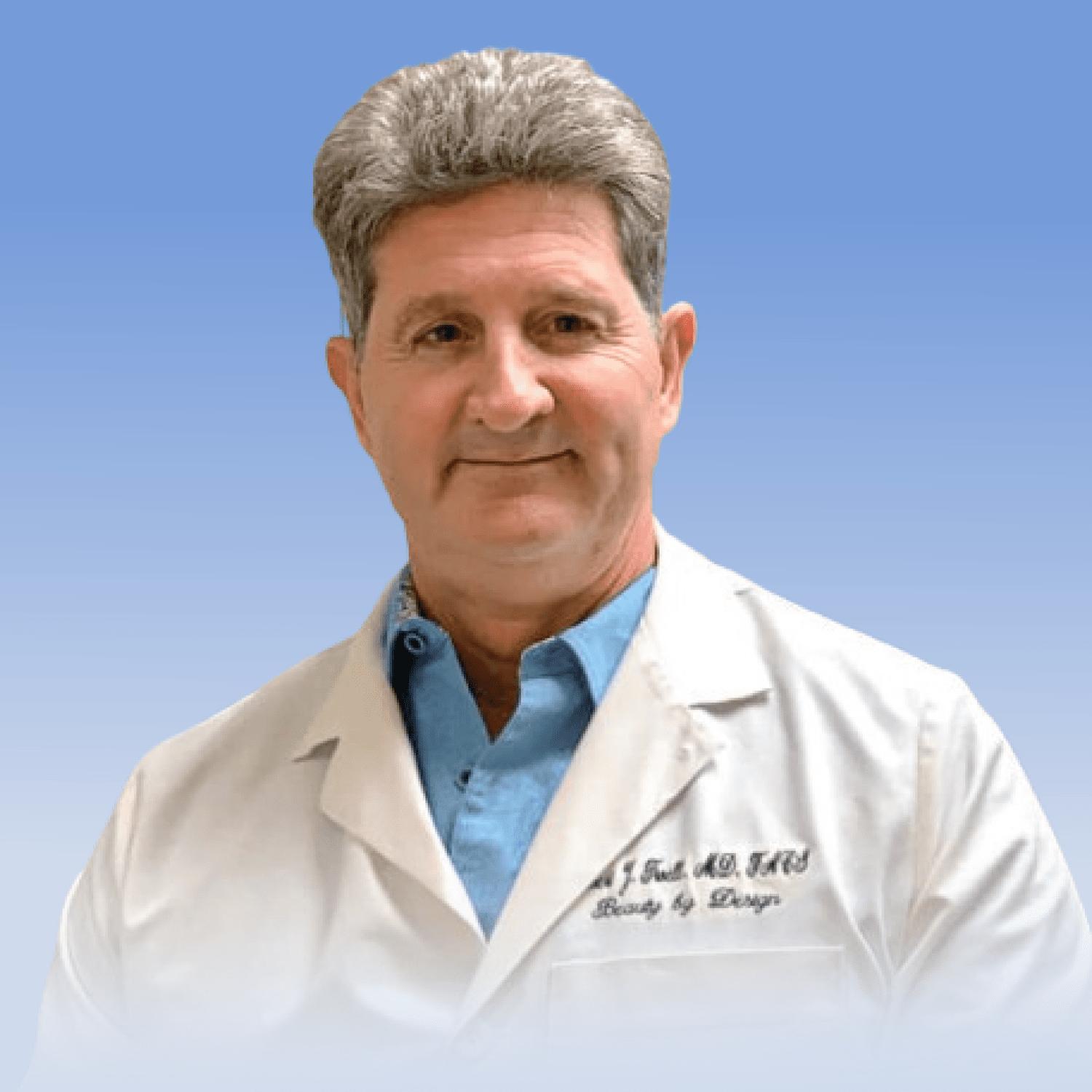
Expert Author: Dr. Robert J. Troell, M.D., FACS, FAAFPRS, FAACS, FAAOHNS, FAASM ASD
Board Certifications: American Board of Facial Plastic and Reconstructive Surgery | American Board of Cosmetic Surgery | American Board of Otolaryngology–Head & Neck Surgery | American Board of Sleep Medicine | American Board of Stem Cell and Fat Transfer Physicians
Experience: Over 20 years of board-certified practice in facial plastic and reconstructive surgery | Stanford University Medical Center trained
Practice Location: Las Vegas, Nevada
Version: 1.0 – Last Updated: December 4, 2025
Direct Answer: Will There Be Scars After a Facelift?
Yes, all facelift procedures produce scars. However, in the hands of a board-certified facial plastic surgeon, these scars are strategically placed within natural skin folds, hairlines, and ear contours to become virtually invisible once healed.
This medical procedure, clinically designated as rhytidectomy (a subtype of MedicalProcedure), involves surgical incisions to lift and reposition facial tissues. The critical distinction lies not in whether scars exist, but in how they are designed, placed, and managed throughout the healing process.
According to systematic reviews of reconstructive rhytidectomy outcomes, low rates of scar complications have been documented across all major incision techniques when performed by qualified surgeons. Most facelift scars fade significantly within 6–12 months and become barely visible or completely undetectable to casual observation.
Understanding Facelift Incision Placement
Anatomical Zones of Incision
Facelift incisions are strategically placed in four primary zones, each designed to maximize concealment:
1. Temporal (Temple) Region
- Incisions begin in the temporal tuft of hair or along the hairline
- Trichophytic incisions (beveled at 20–45 degrees) allow hair follicles to regrow through the scar
- Proper placement prevents elevation of the sideburn above the root of the helix
2. Preauricular (In Front of Ear) Region
- Follows the natural crease where the ear meets the face
- Can be pretragal (in front of the tragus) or retrotragal (behind the tragus)
- Retrotragal incisions are preferred for women; pretragal for men to avoid placing bearded skin onto the tragus
3. Perilobular (Around Earlobe) Region
- Designed with V-shaped incisions to prevent “pixie ear” deformity
- Suspension sutures at the SMAS level eliminate tension on visible skin
4. Postauricular (Behind Ear) and Occipital Region
- Extends into the natural sulcus behind the ear
- Continues along or within the hairline depending on neck skin excess
- W-plasty or trichophytic closure techniques minimize visible hairline scarring
Critical Incision Design Principles
Dr. Robert J. Troell, with over 20 years of experience in facial plastic surgery, emphasizes that favorable facelift results can be marred by poor scarring. The surgeon’s skill is often judged by the appearance and quality of the final incisions.
| Incision Design Principle | Clinical Rationale |
|---|---|
| Curvilinear incisions around ear | Avoids straight-line scarring; distributes tension |
| Three-crescent technique | Separate crescents around helix root, tragus, and earlobe |
| Trichophytic beveling | Hair regrows through scar, camouflaging incision |
| Tension-free closure | Prevents scar widening, blunted tragus, and pixie ear |
Types of Facelift Techniques and Scar Profiles
Different facelift techniques produce varying incision patterns and scar outcomes. This comparison reflects evidence-based outcomes from peer-reviewed literature.
| Technique | Incision Length | Scar Visibility | Ideal Candidate | Results Duration |
|---|---|---|---|---|
| Mini Facelift | Shorter (around ears only) | Minimal scarring; less visible | Mild aging (40s–50s) | 5–7 years |
| SMAS Facelift | Moderate (hairline to behind ears) | Well-concealed in natural folds | Mild-moderate aging | 5–10 years |
| Deep Plane Facelift | Standard (hairline, ears, behind ears) | Tension-free closure; fades exceptionally well | Moderate-advanced aging | 10–15 years |
| Short Scar/MACS Lift | Limited (temple to earlobe) | No post-auricular scars | Mild-moderate sagging | 5–8 years |
Why Deep Plane Technique Produces Superior Scar Outcomes
The deep plane facelift operates beneath the superficial musculoaponeurotic system (SMAS), releasing key ligaments and repositioning deeper facial structures. This approach offers a significant advantage for scarring because:
- Tension-free skin closure: The lift occurs in deeper tissues, not the skin
- No skin stretching: Prevents widened or visible scars
- Natural tissue repositioning: Avoids the “pulled” look that reveals surgical intervention
Scar Healing Timeline: What to Expect
Scar maturation follows predictable biological phases. Understanding this timeline helps patients set realistic expectations.
| Phase | Scar Appearance | Patient Experience | Care Recommendations |
|---|---|---|---|
| Initial Healing (Days 1–14) | Red or pink, slightly raised; swelling and tenderness | Discomfort manageable; bruising peaks days 3–4 | Keep incisions clean; avoid sun; sleep elevated |
| Proliferative (Weeks 2–8) | New tissue forming; scars flatten; redness fades | Stitches removed (week 2); tightness improves | Begin silicone gel/sheets if approved |
| Early Maturation (Months 1–3) | Scars pinkish; continue to fade and flatten | Most swelling resolved; near-final results | Continue silicone; may start scar massage |
| Active Remodeling (Months 3–6) | Scars fade to lighter tones; less noticeable | Minimal swelling; natural movement restored | Apply SPF 30+ daily; continue management |
| Long-Term Fading (Months 6–12+) | Scars blend with skin; barely visible | Final results; scars virtually undetectable | Maintain sun protection; consider laser if needed |
Clinical Note: While everyone heals at a different rate, most facelift scars fade significantly within 6–12 months, gradually blending into the patient’s skin tone and natural contours.
Factors That Influence Scar Formation
Patient-Specific Factors
| Factor | Impact on Scarring |
|---|---|
| Age | Younger patients have better collagen production; older patients may heal slower |
| Skin Type | Fair skin typically develops less noticeable scars; darker skin has higher hyperpigmentation and keloid risk |
| Skin Elasticity | Better elasticity = improved healing and lighter scars |
| Ethnicity | African descent has higher keloid risk; Asian skin may scar differently |
| Genetics | Family history of keloids or hypertrophic scarring increases risk |
Modifiable Risk Factors
- Smoking: Significantly impairs circulation and delays healing; cessation required 4–6 weeks before and after surgery
- Sun Exposure: UV rays darken scars and prevent proper fading; SPF 30+ essential for 12 months
- Medications: Blood thinners, NSAIDs, and certain supplements increase bleeding and hematoma risk
- Nutritional Status: Protein, vitamin C, and zinc support collagen synthesis
- Infection: Delays healing and increases scar severity
Scar Prevention and Treatment Options
First-Line Scar Prevention: Silicone-Based Products
Silicone gel sheeting and topical silicone gel represent the gold standard for post-operative scar management. A systematic review and meta-analysis confirmed that topical silicone gel was effective in post-operative scar prevention, with significant improvements in vascularity, pigmentation, pliability, and height.
Silicone Therapy Protocol
- Begin 2 weeks post-surgery after incisions are fully closed
- Apply silicone sheets for minimum 12 hours daily, increasing to 24 hours as tolerated
- Continue treatment for 2–4 months
- Silicone gels (Dermatix, BioCorneum) offer easier application for facial incisions
Scar Massage Therapy
Scar massage, initiated 2–4 weeks post-surgery with surgeon approval, offers multiple benefits:
- Increases blood flow for nutrient delivery to scar tissue
- Activates mechanotransduction to reorganize collagen fibers
- Reduces tethering, tightness, and hypersensitivity
Technique: Apply firm circular pressure for 5 minutes, 3–4 times daily
Laser Scar Treatment
| Laser Type | Mechanism | Best For |
|---|---|---|
| Pulsed Dye Laser (PDL) | Targets scar vascularity | Redness, early hypertrophic scars |
| Fractional CO2 Laser | Ablates tissue; stimulates collagen | Textural irregularities, raised scars |
| Erbium:YAG | Layer-by-layer resurfacing | Precise treatment of small areas |
| Nonablative Nd:YAG | Stimulates collagen without ablation | Minimal downtime preferred |
Clinical Guidance: Laser scar reconstruction is typically initiated 6 months after initial surgery, when scar tissue becomes less vascular and more responsive to treatment.
Patient Satisfaction and Outcomes
Evidence-Based Satisfaction Rates
A 2024 analysis of 2,153 facelift reviews found:
- 92.24% of patients left positive reviews
- 91.91% rated their facelift as “Worth It”
- 79.10% cited aesthetic results as primary reason for satisfaction
- 74.92% emphasized surgeon bedside manner as critical to positive experience
Complication Rates by Technique
| Technique | Skin Necrosis Rate |
|---|---|
| Deep Plane | 0.49% |
| Composite | 0.37% |
| SMAS Plication | 0.69% |
| SMASectomy | 1.04% |
| High Lateral SMAS | 1.39% |
| SMAS Flap | 1.57% |
Frequently Asked Questions
How long until my facelift scars are barely noticeable?
Most patients can expect their scars to become barely noticeable within 6–18 months after surgery. By the 6-month mark, many patients find their scars have faded significantly. Full maturation continues for up to 18–24 months.
Where are facelift scars located?
Facelift scars are typically located in the hairline at the temples, along the natural crease in front of or behind the tragus (ear cartilage), around the earlobe following natural contours, behind the ear in the postauricular sulcus, and extending into the hairline behind the ear.
Will my scars be visible when I wear my hair up?
When incisions are properly designed and healed, facelift scars should be virtually invisible even with hair pulled back. The postauricular incision is placed within the natural fold where the ear meets the skull, remaining hidden. Trichophytic techniques allow hair to grow through the scar, camouflaging any visible line.
What is the difference between scarring in men vs. women?
Male facelift scars are treated differently to accommodate facial hair patterns and shorter hairstyles. Incisions are strategically placed within the natural beard line. Pretragal incisions are typically preferred in men to prevent placing bearded skin onto the tragus.
Can facelift scars be completely eliminated?
While facelift scars cannot be completely eliminated, they can be significantly minimized and made less noticeable. Proper post-operative care, silicone therapy, sun protection, and working with a skilled surgeon are key to achieving natural-looking results where scars blend seamlessly with natural anatomy.
How does surgeon experience affect scar outcomes?
Surgeon skill is often judged by the appearance and quality of final incisions. Board-certified facial plastic surgeons possess specialized training in facial anatomy and aesthetic incision design. Factors within surgeon control include precise incision placement, tension-free closure techniques, appropriate suture selection, and comprehensive post-operative care protocols.
When to Consult a Board-Certified Facial Plastic Surgeon
A consultation with a facial plastic surgeon credentialed by organizations such as the American Board of Facial Plastic and Reconstructive Surgery (ABFPRS) or the American Board of Cosmetic Surgery (ABCS) provides:
- Individualized assessment of facial anatomy and aging patterns
- Discussion of incision design tailored to your hairline, ear structure, and skin type
- Review of your medical history for healing factors
- Realistic expectations for scar appearance and timeline
- Post-operative care protocol to optimize healing
About Dr. Robert J. Troell
Dr. Robert J. Troell is a Diplomate of the American Board of Cosmetic Surgery, the American Board of Facial Plastic and Reconstructive Surgery, and holds additional board certifications in Otolaryngology–Head & Neck Surgery, Sleep Medicine, and Stem Cell and Fat Transfer. He completed his residency in Otolaryngology–Head & Neck Surgery and fellowship training at Stanford University Medical Center, where he served as Clinical Professor from 1995 to 2013.
With over 20 years of experience performing facial plastic surgery in Las Vegas, Nevada, Dr. Troell has contributed to peer-reviewed publications on facial rejuvenation, fat grafting, and advanced surgical techniques.

Credentials and Affiliations
- Diplomate, American Board of Facial Plastic and Reconstructive Surgery
- Diplomate, American Board of Cosmetic Surgery (Recertified 2021)
- Diplomate, American Board of Otolaryngology–Head & Neck Surgery
- Diplomate, American Board of Sleep Medicine
- Fellow, American Academy of Facial Plastic and Reconstructive Surgery (FAAFPRS)
- Fellow, American College of Surgeons (FACS)
- Adjunct Professor, Touro University Nevada College of Osteopathic Medicine
- Visiting Professor, Department of Plastic Surgery, University of Nairobi, Kenya
Medical Disclaimer: This information is intended for educational purposes only and does not constitute medical advice. Individual results vary based on patient-specific factors. Consultation with a board-certified facial plastic surgeon is necessary to determine candidacy and expected outcomes for facelift surgery.
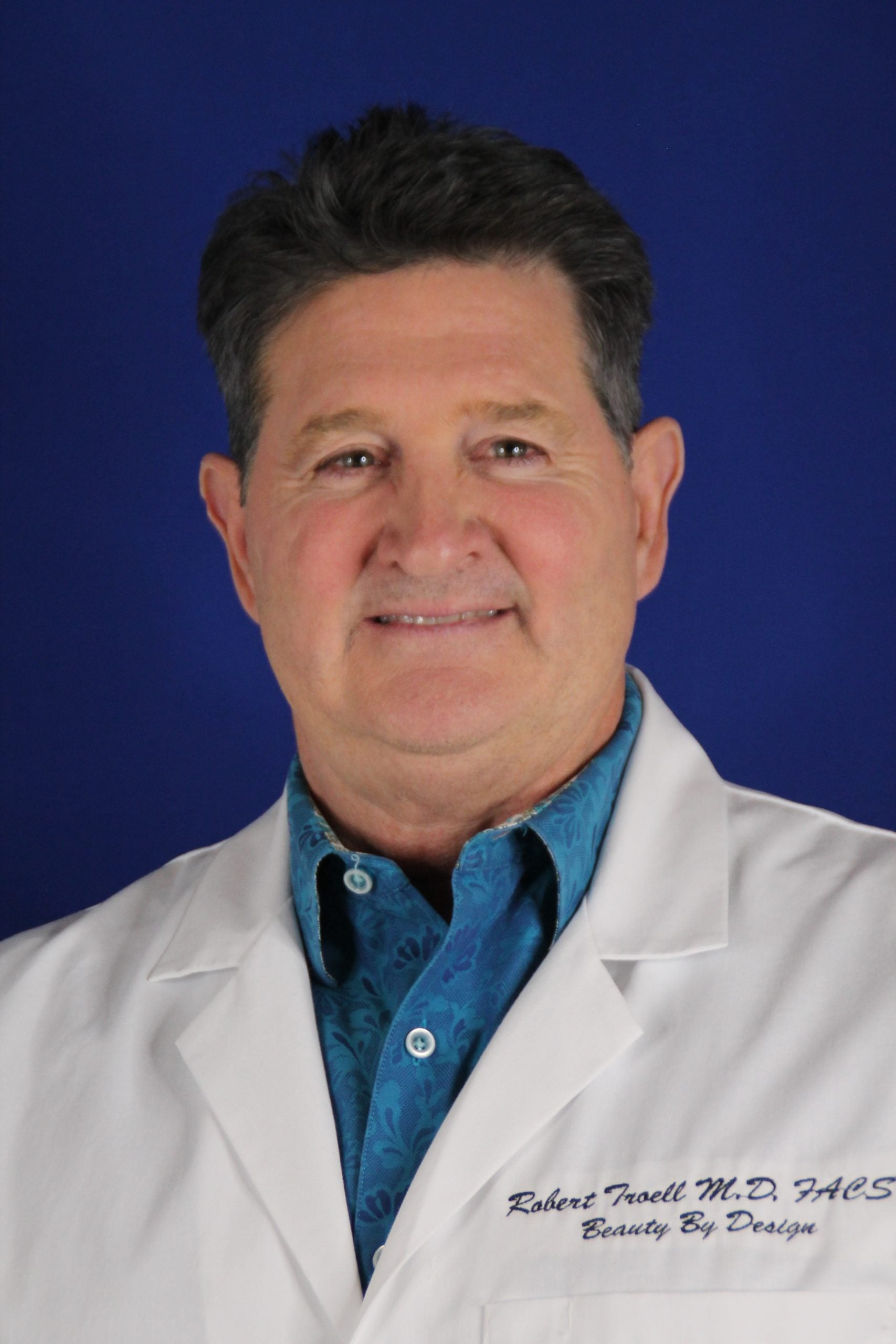
Begin Your Journey with Dr. Troell
Schedule a complimentary consultation to discuss your goals and receive an honest, expert assessment.
Mon–Fri, 8:30 AM – 5:00 PM
Why Deep Plane Facelifts Outperform Other Techniques
Why Deep Plane Facelifts Outperform Other Techniques
By Dr. Robert J. Troell, M.D., FACS, FAAFPRS
Diplomat, American Board of Facial Plastic and Reconstructive Surgery
Diplomat, American Board of Cosmetic Surgery
The evolution of facelift surgery has brought significant advances in how surgeons restore youthfulness, structure, and balance to the aging face. Among the various methods available today, the deep plane facelift has emerged as the gold standard—delivering long-lasting, natural-looking results far superior to traditional techniques. Clinical research demonstrates that deep plane facelifts achieve patient satisfaction rates of 94.4% compared to 87.8% for SMAS techniques, with results lasting 10 to 15 years versus 5 to 10 years for more superficial approaches.1
The deep plane approach uniquely addresses the true anatomical causes of facial aging, allowing the face to be lifted, reshaped, and volumized in a way that looks both refined and natural—avoiding the “windswept” or overtightened appearance that older techniques sometimes produced.2
Understanding Facial Aging: Why Most Patients Need More Than Surface Correction
Facial aging varies significantly from patient to patient, and not everyone requires a full facelift. In fact, only about 15–20% of patients are ideal candidates for an isolated anterior neck lift or platysmaplasty alone. This limited approach works well when aging is isolated to the central neck and involves:3
- A small incision beneath the chin
- Separation of the skin from underlying structures
- Suturing of the platysma muscle if it has begun to split or band
However, for patients experiencing sagging jowls, midface descent, deeper nasolabial folds, or generalized facial laxity, a neck-only surgery will not achieve comprehensive rejuvenation. Research confirms that facial sagging is most visible at the lateral facial areas, such as the jowls and cheeks, requiring intervention at deeper anatomical levels.2
The Triple Threat of Facial Aging
Understanding why faces age reveals why the deep plane technique outperforms surface-level approaches:
- Collagen and Elastin Loss: Production slows significantly beginning in the thirties, weakening the skin’s natural support structure.2
- Volume Redistribution and Loss: Youthful facial fat pads thin and descend, causing tissue pooling at the jawline, creating jowls.2
- Ligament Laxity: Retaining ligaments loosen and the SMAS stretches, allowing soft tissue descent.4
What Makes the Deep Plane Facelift Different
The deep plane facelift goes beyond tightening the skin or plicating the SMAS. Instead, it lifts at the deeper anatomical levels where aging actually occurs. The deep plane facelift, originally described by Sam Hamra in 1990, utilizes a plane of dissection below the superficial muscular aponeurotic system (SMAS) of the midface, allowing for direct lysis of key facial retaining ligaments and maximum mobilization of the superficial soft tissue.2 This technique lifts as a unified composite:
- The SMAS and platysma muscle layer
- Deep facial fat pads
- Facial retaining ligaments
- Descended midface tissues
By working beneath these structures, the deep plane facelift restores youthful contours from the inside out—repositioning the entire facial framework rather than simply pulling the skin tighter.2
The Science Behind Deep Plane Superiority
Recent anatomical research has changed our understanding of why extensive-release techniques outperform minimal interventions. The deep fascia of the face consists of multilayered sheets that support soft tissues against gravity while allowing certain mobility for facial expression.5
When tissues are lifted without surgical release—as in thread lifts, minimal access lifts, or skin-only procedures—the fibers are dragged into an “upward-pulled” position that eliminates their natural antigravitational support function. This places the entire weight of the lifted tissues on fixation sutures, causing early recurrence as sutures stretch or cut through tissue.5
In contrast, the deep plane technique releases retaining ligaments and repositions tissues to a higher level, allowing them to reattach in their new position with preserved antigravity architecture—explaining why results last significantly longer.5
The Key: Releasing Osteocutaneous Ligaments
True elevation requires releasing major retaining ligaments that prevent deeper tissues from lifting when only superficial layers are addressed. The retaining ligaments of the face are important in understanding concepts of facial aging and rejuvenation. They are located in constant anatomic locations where they separate facial spaces and compartments.4
The extended deep plane technique releases four key retaining ligaments in the face and neck:6
- Zygomatic cutaneous ligaments (cheek region) — the strongest of all facial retaining ligaments
- Masseteric cutaneous ligaments (jawline)
- Mandibular cutaneous ligaments (lower face)
- Cervical retaining ligaments (neck)
Why Ligament Release Matters
Releasing these ligaments allows the surgeon to:4,6
- Mobilize the midface effectively without tension
- Elevate the cheek and nasolabial folds as a unified unit
- Improve jawline definition naturally
- Achieve upward rejuvenation following natural vectors
This step is why deep plane facelifts outperform SMAS-plication or skin-only lifts, which can look tight or short-lived. Their main significance relates to their surgical release in order to achieve the desired aesthetic outcome.4
Natural, Tension-Free Results
By placing tension only at the level of the fascia, the deep plane technique creates a tension-free skin closure and ensures long-term results.2 The skin is not responsible for holding the lift—deeper tissues are. The skin is redraped without tension, creating:
- Softer, natural facial expressions
- No windswept look
- Thinner, nearly invisible incisions
- Results lasting 10–15 years1
Measured Outcomes
A systematic review and meta-analysis comparing patient satisfaction and complications of SMAS and deep plane facelifts found significant differences in outcomes:1
| Outcome Measure | Deep Plane Facelift | SMAS Facelift |
|---|---|---|
| Patient Satisfaction | 94.4%1 | 87.8%1 |
| Average Years Younger | 11.9 years7 | 8–10 years |
| Result Duration | 10–15 years2 | 5–10 years |
| Superior Midface Rejuvenation | Yes8 | Limited8 |
Why Volume Restoration Matters
Facial aging involves more than sagging—it includes loss of volume in the cheeks, temples, jawline, and midface. Volume loss includes fat, muscle, and bone loss, which contributes to the overall aging appearance.2 Volume placement during a deep plane facelift is essential for optimal outcomes.
Volume Enhancement Options
Facial Implants (Most Predictable & Long-Lasting)
Implants provide permanent, precise improvement to:9
- Cheek projection
- Chin and jawline definition
- Mandibular angle sculpting
Research shows submalar implant augmentation with facelift achieves a 95.7% satisfaction rate with minimal complications.10
Fat Transfer (Autologous Fat Grafting)
Uses the patient’s own fat for natural volume restoration. Autologous fat transfer contains stem cells and growth factors that may improve skin quality over time while providing volume restoration that integrates naturally with existing tissues.11
Dermal Fillers
Ideal for refinement but results are temporary (6–18 months), requiring ongoing maintenance treatments.9
A Comprehensive Rejuvenation Strategy
The deep plane facelift is a full rejuvenation system that may include:6
- Platysmaplasty (when the neck muscles require tightening)
- Facial implants for structural enhancement
- Fat transfer for volume restoration
- Comprehensive neck contouring
- Midface elevation with ligament release
Why Traditional Approaches Fall Short
Traditional facelifts treat only surface issues. The deep plane technique addresses every layer of aging—skin, muscle, fat, ligaments, and structure.
Mini Facelift Limitations
Mini facelifts primarily target only the skin, with results typically lasting approximately 5–7 years. They cannot adequately address significant midface descent, deep nasolabial folds, or substantial jowling.12
SMAS Plication Limitations
While SMAS plication represents an improvement over skin-only techniques, it typically lifts in a more lateral or diagonal direction without fully releasing underlying retaining ligaments—sometimes resulting in a tight or unnatural appearance.13
Recovery and Expectations
Recovery from facelift surgery involves predictable stages:14,15
Week 1–2: Peak swelling occurs around days 3–5, with bruising that gradually resolves. Most patients describe discomfort rather than severe pain, manageable with prescribed medication. Adequate pain medication is necessary, as patients often report mild peri-incisional pain for three to four days postoperatively.2
Week 2–3: 50–60% swelling resolved; return to light activities. Expect bruising and swelling to go away in approximately two to three weeks.15
Month 1–3: 85–90% swelling resolved; contour refinement continues.
Month 6+: Full sensation return and final results. It could take two to three months before your face feels “back to normal.”14
Why Expert Surgeons Prefer the Deep Plane Technique
A properly executed deep plane facelift can produce dramatic and sustainable rejuvenation to the lower face and the midface.2 Surgeons who specialize in this advanced technique recognize its distinct advantages:
- Stronger lifting power through composite flap mobilization
- Predictable, natural results without the pulled look
- Longer-lasting outcomes (10–15 years versus 5–10 years)
- Improved midface volume and cheek contour through fat pad repositioning
- Better jawline sculpting with ligament release
- Minimal skin tension and reduced scarring
- Ability to integrate implants or fat transfer as needed
Addressing Common Patient Concerns
Will I Look Overdone?
No. The deep plane facelift specifically avoids the overtightened or “windswept” appearance by placing tension on the deeper SMAS layer rather than stretching the skin. Patients retain their unique facial expressions while reversing sagging and folds.2
How Painful Is Recovery?
Mild to moderate discomfort rather than severe pain is typical. The tightness sensation that occurs represents healing and gradually diminishes.14
Are Results Permanent?
While your face will continue to age naturally, the structural repositioning achieved is permanent. Deep plane facelift results typically remain evident for 10–15 years before patients may consider additional intervention—and even then, you’ll never return to your pre-surgical appearance.1,2
Conclusion: The Modern Standard for Facial Rejuvenation
The deep plane facelift is superior because it addresses aging at its anatomical root. By releasing retaining ligaments, lifting deeper tissues as a composite unit, and restoring volume, it produces natural and long-lasting results. The biomechanical principle is clear: no-release lifting techniques place the entire weight of lifted tissues on fixation sutures, leading to early recurrence. The deep plane approach releases tissues and allows them to reattach in a higher position with preserved structure—explaining superior longevity.5
For patients seeking meaningful rejuvenation—and for surgeons committed to excellence—the deep plane facelift represents the gold standard for facial plastic surgery.1,2
About Dr. Robert J. Troell: Dr. Troell is a board-certified facial plastic and cosmetic surgeon with over 35 years of surgical experience. He holds certifications from the American Board of Facial Plastic and Reconstructive Surgery, the American Board of Cosmetic Surgery, the American Board of Facial Cosmetic Surgery, and the American Board of Otolaryngology–Head and Neck Surgery. Dr. Troell completed his residency at Stanford University Medical Center and has served as Clinical Professor at Stanford University Medical Center (1995-2001). He has published extensively in peer-reviewed journals on facial rejuvenation techniques including the Laryngoscope, Otolaryngology–Head and Neck Surgery, and Sleep.16
References
- Aesthetic Plastic Surgery. “The Deep Plane versus SMAS Facelift: A Systematic Review and Meta-Analysis.” Aesthetic Plast Surg. 2025. MEDLINE, EMBASE, Web of Science systematic review of 21 studies with 2,896 patients. PMID: 40801931.
- Raggio B, Patel B. “Deep Plane Facelift.” StatPearls [Internet]. Treasure Island (FL): StatPearls Publishing; 2023. National Library of Medicine/NCBI Bookshelf. NBK545277.
- “Platysmaplasty Facelift.” StatPearls [Internet]. Treasure Island (FL): StatPearls Publishing; 2023. National Library of Medicine/NCBI Bookshelf. NBK563291.
- Alghoul M, Codner MA. “Retaining ligaments of the face: review of anatomy and clinical applications.” Aesthet Surg J. 2013 Aug 1;33(6):769-82. PMID: 23855010.
- Cotofana S, et al. “Anatomy of the Facial Glideplanes, Deep Plane Spaces, and Retaining Ligaments.” Plast Reconstr Surg. 2023. PMC11195933.
- Jacono A, Bryant LM. “Extended Deep Plane Facelift: Incorporating Facial Retaining Ligament Release and Composite Flap Shifts to Maximize Midface, Jawline and Neck Rejuvenation.” Clin Plast Surg. 2018 Oct;45(4):527-554. PMID: 30268241.
- Hodges EL, Zimbler MS. “Outcome analysis in 93 facial rejuvenation patients treated with a deep plane facelift.” Arch Facial Plast Surg. 2011 Feb;13(1):30-5. PMID: 20966814.
- Annals of Plastic Surgery. “Comparing the Safety and Efficacy of Superficial Musculoaponeurotic System and Deep Plane Facelift Techniques: A Systematic Review and Meta-analysis.” Ann Plast Surg. 2025. 47 studies involving 10,766 patients. PMID: 40600822.
- American Academy of Facial Plastic and Reconstructive Surgery. “Facial Implants.” AAFPRS Patient Education. www.aafprs.org.
- Little JW. “Enhancing Facelift With Simultaneous Submalar Implant Augmentation.” Aesthet Surg J. 2018 May 27;39(4):351-364. PMID: 30169617.
- Sinno S, et al. “Autologous Fat Transfer for Facial Rejuvenation: A Systematic Review on Technique, Efficacy, and Satisfaction.” Plast Reconstr Surg Glob Open. 2017 Nov;5(11):e1606. PMC5889440.
- Safety and Effectiveness of Limited Incision Facelifts: A Systematic Review and Meta-analysis. Aesthet Surg J Open Forum. 2023;5(Suppl 1). PMC10320643.
- Evolution of Superficial Muscular Aponeurotic System Facelift Techniques and Complications: A Review of 6,086 Patients. J Craniofac Surg. 2023. PMC10819192.
- Cleveland Clinic. “Facelift (Rhytidectomy): What Is It, Recovery & What to Expect.” Cleveland Clinic Health Library. my.clevelandclinic.org/health/treatments/11023-facelift.
- Mayo Clinic. “Face-lift.” Mayo Clinic Patient Care & Health Information. www.mayoclinic.org/tests-procedures/face-lift/about/pac-20394059.
- American Board of Cosmetic Surgery. “Dr. Robert J. Troell – Diplomat of the American Board of Cosmetic Surgery.” www.americanboardcosmeticsurgery.org/doctors/robert-j-troell/
Begin Your Journey with Dr. Troell
Schedule a complimentary consultation to discuss your goals and receive an honest, expert assessment.
Mon–Fri, 8:30 AM – 5:00 PM